Ginger Beer vs Ginger Ale: What's the Difference? (+ Does It Have Alcohol?)
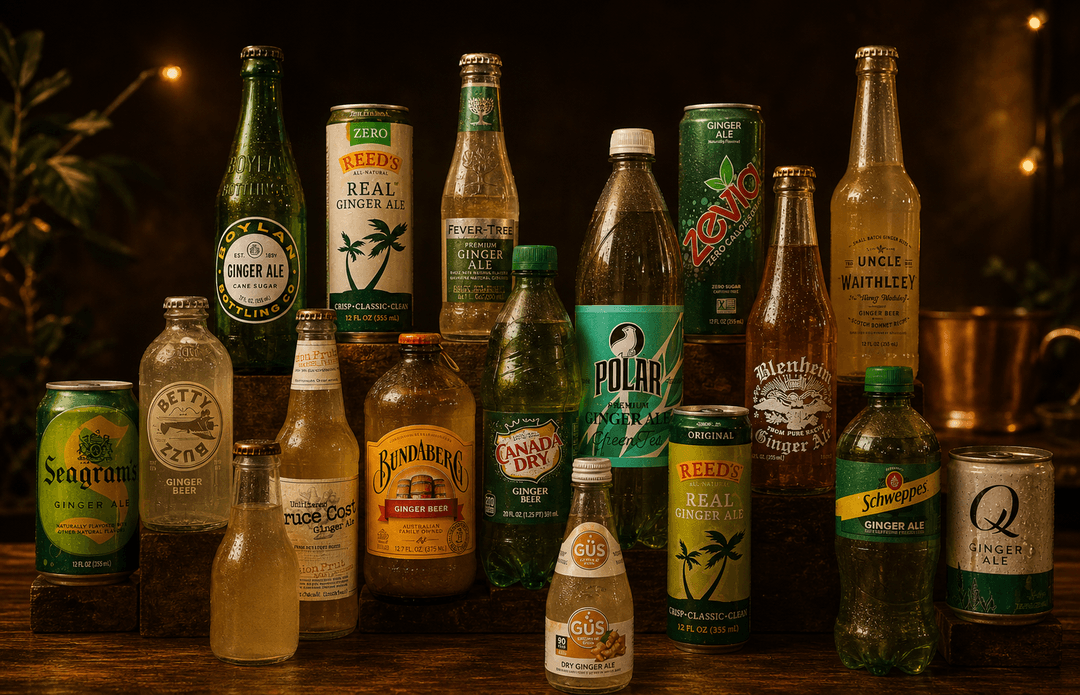
Ginger Beer vs Ginger Ale: What's the Difference?
If you've ever stood in a supermarket aisle staring at two nearly identical bottles and wondered what the actual difference between ginger beer and ginger ale is — you're not alone. They look similar, they're both ginger-flavored, and they both fizz. But pour them into a cocktail, and you'll immediately taste why it matters.
This guide breaks down exactly what separates ginger beer from ginger ale — how they're made, how they taste, whether ginger beer contains alcohol, and which one to reach for when you're mixing drinks.
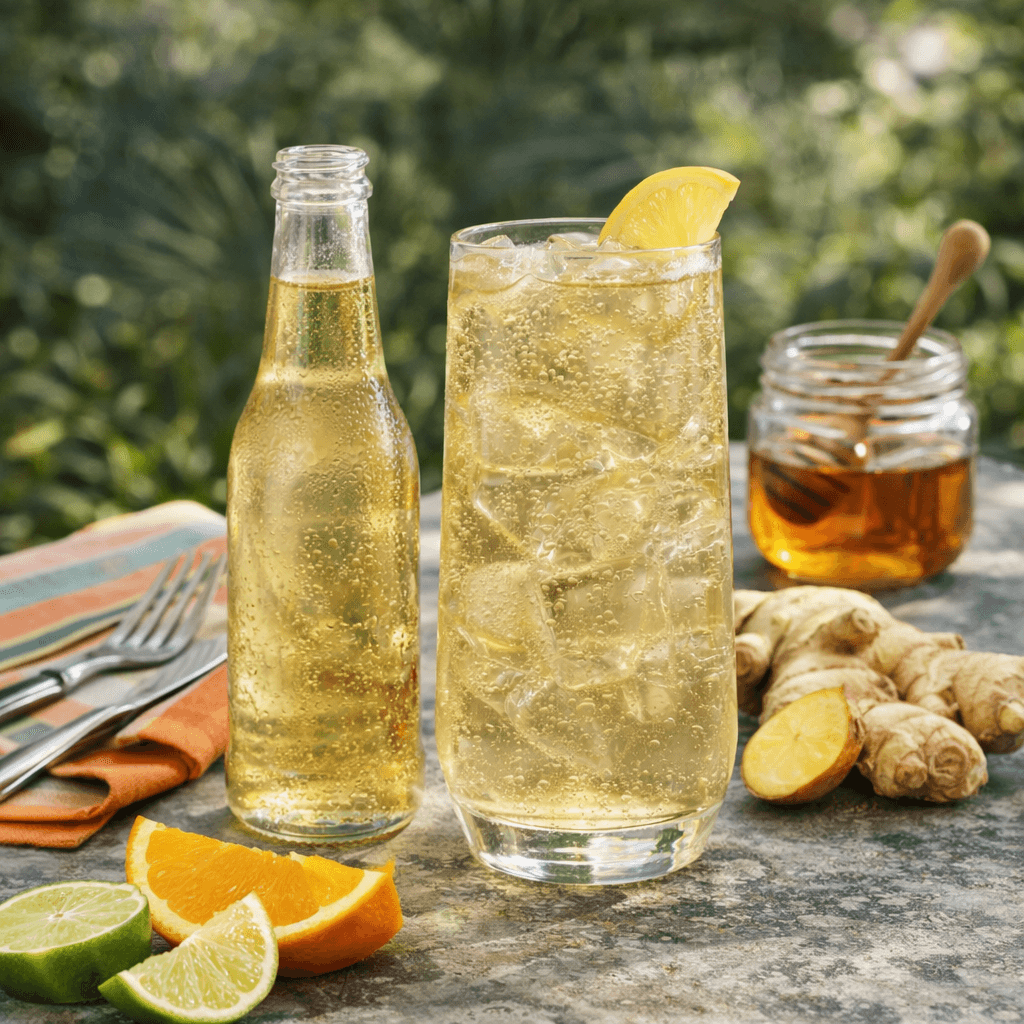
Ginger Ale
Light, sweet ginger-flavored soda, milder and less spicy than ginger beer. It works perfectly in refreshing cocktails or as a smooth mixer.
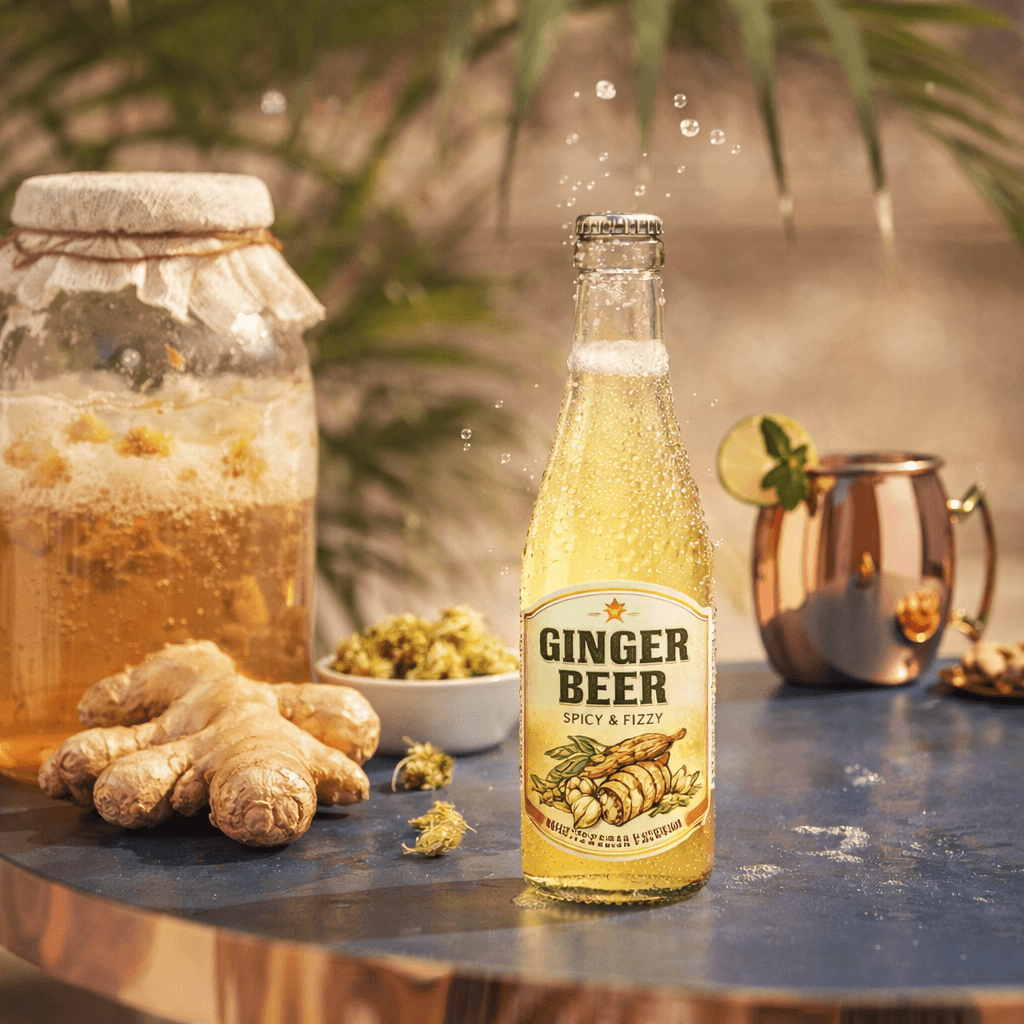
Ginger Beer
Bold, spicy ginger-based carbonated drink, stronger and more intense than ginger ale. Widely used in cocktails, it is essential for classics like the Moscow Mule, Dark ’n’ Stormy, and Mexican Mule.
What Is Ginger Beer?
Ginger beer originated in England in the 1700s as a naturally fermented drink. Traditionally, it was brewed by combining ginger, sugar, water, and a live culture called a ginger beer plant — a symbiotic colony of yeast and bacteria similar to a sourdough starter. This fermentation process produced natural carbonation and a small amount of alcohol.
How Is Ginger Beer Made Today?
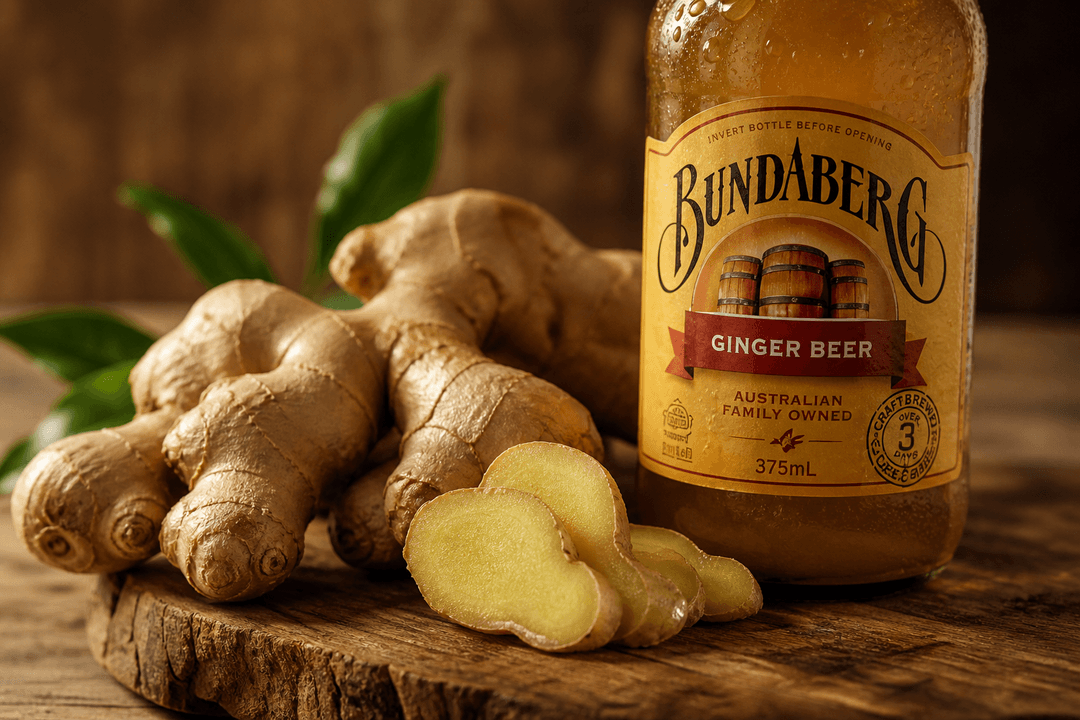
Most commercial ginger beers are no longer fermented the traditional way. Modern production typically follows one of two methods:
Brewing method: Ginger is brewed with water and sugar, sometimes with yeast added for a short fermentation. This produces a more complex, spicier flavor.
Carbonation method: A concentrated ginger extract or syrup is mixed with carbonated water. Faster and cheaper, but generally less intense in flavor.
The best craft ginger beers (Fever-Tree, Bundaberg, Fentimans) use real ginger root and brewing processes that preserve more of the plant's natural heat and complexity. This is exactly what makes them shine in cocktails.
What Is Ginger Ale?
Ginger ale is a sweetened, carbonated soft drink flavored with ginger. It was developed in the mid-1800s — first as a golden-colored, strong variety, then popularized in its pale, mild form in the early 20th century by Canadian pharmacist John McLaughlin (the founder of Canada Dry).
How Is Ginger Ale Made?
Ginger ale is almost always made by combining carbonated water with a ginger-flavored syrup or extract. There is no fermentation involved. It's closer to a flavored soda than a brewed beverage.
The result is a lighter, much sweeter drink with a gentle hint of ginger rather than a pronounced spice.
Ginger Beer vs Ginger Ale: The Key Differences
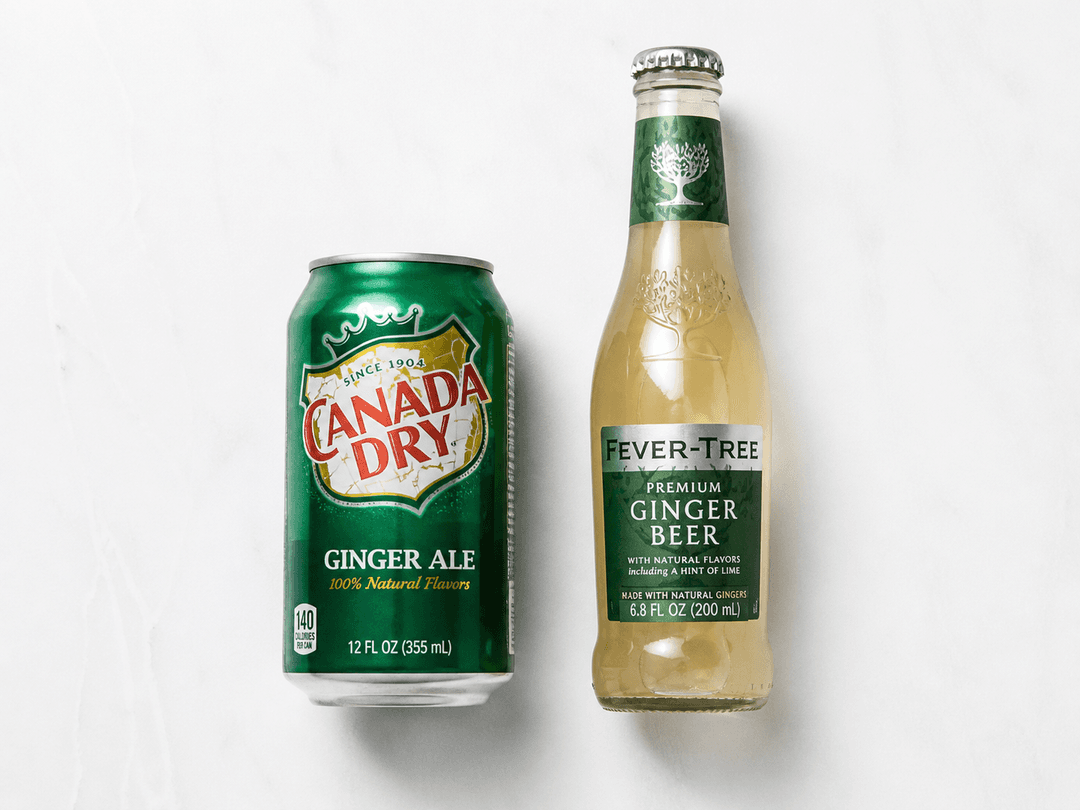
The fundamental difference comes down to one word: intensity.
Start with how they're made. Ginger beer is brewed — it uses real ginger root, water, and sugar, sometimes with active fermentation. Ginger ale is a carbonated soft drink made by mixing water with a ginger-flavored syrup or extract. No brewing, no fermentation, no complexity.
That production gap translates directly into flavor. Ginger beer is bold, spicy, and assertive — you feel the ginger heat at the back of your throat. Ginger ale is soft, sweet, and gentle, closer to a lemon-lime soda with a whisper of ginger. If ginger beer is a fresh chili, ginger ale is chili-flavored chips.
On sweetness, ginger ale wins by a wide margin — it's designed to be universally palatable. Ginger beer tends to be less sweet, which is exactly why it works better in cocktails: it balances a spirit rather than adding to the sugar load.
The carbonation also differs. Ginger ale has sharp, aggressive bubbles typical of a soda. Ginger beer's carbonation is usually softer and more natural-feeling, especially in craft versions.
Finally, alcohol. Ginger beer can contain trace amounts of alcohol from fermentation (almost always below 0.5% ABV in commercial bottles). Ginger ale contains none — it's a pure soft drink.
Ginger Beer vs Ginger Ale for Cocktails
This is where the difference really matters — and where ginger beer wins decisively.
Why Ginger Beer Is Better for Most Cocktails
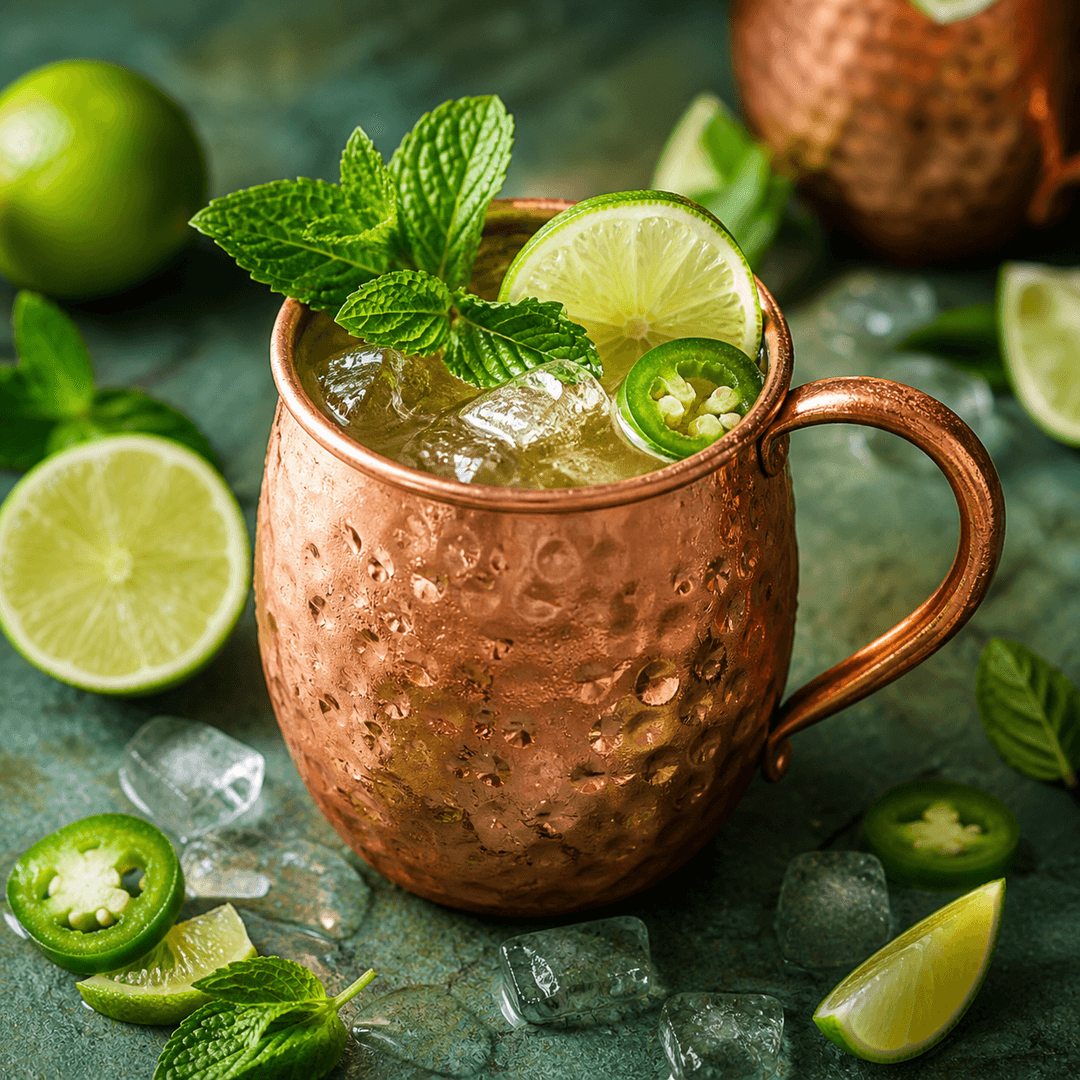
Cocktails need balance. When you combine a spirit (tequila, vodka, bourbon) with a mixer, you need the mixer to hold its own against the alcohol. Ginger beer's bold, spicy character does exactly that. It cuts through the spirit, adds complexity, and creates a genuinely layered drink.
Ginger ale, by contrast, tends to get lost. Its mild sweetness blends into the background rather than contributing structure. The result is often a flat, vaguely gingery drink.
Where Ginger Ale Still Works
Ginger ale has its place in cocktails where you want a gentle lift without spice:
Whisky Highball — a common Japanese-style serve where subtlety is the point
Shandy variations — mixed with pale beer
Non-alcoholic mocktails — where sweetness and lightness are features, not bugs
The Cocktails That Define Ginger Beer
Ginger beer became a cocktail staple largely because of three iconic drinks:
Moscow Mule — vodka, ginger beer, lime
Dark 'n' Stormy — dark rum, ginger beer (traditionally Gosling's)
Tequila Mule / Mexican Mule — tequila, ginger beer, lime
In all three, ginger beer's spice is essential. Substituting ginger ale would produce a noticeably weaker, sweeter, less interesting drink.
If you're looking for the best ginger beer to use in these cocktails — particularly for a Tequila Mule — we've put together a dedicated guide comparing the top brands by flavor profile, spice level, and value
The Best Brands: A Quick Overview
Not all ginger beers are created equal. Here's a rapid overview of the main contenders:
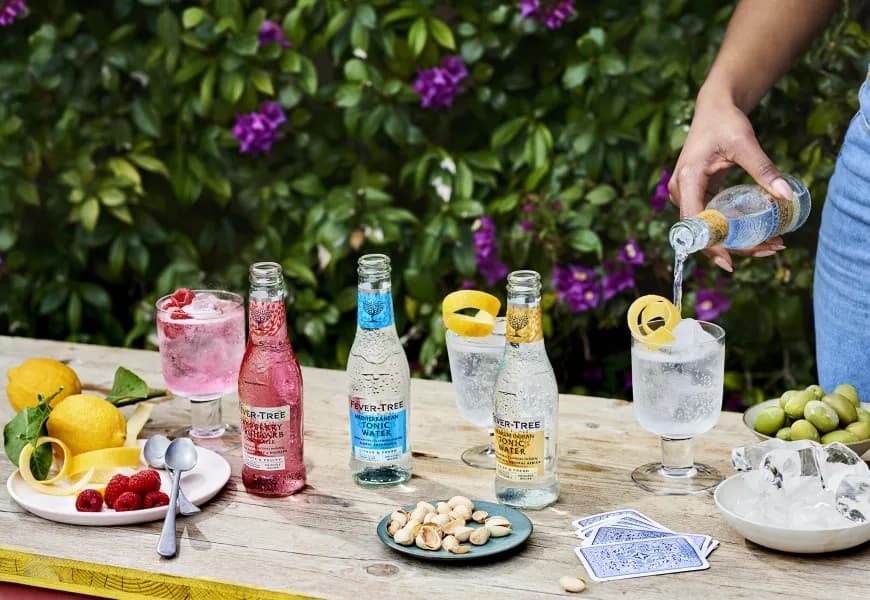
Fever Tree
Fever-Tree is a premium British brand specializing in high-quality mixers, renowned for its natural ingredients and refined flavors. Perfectly crafted for exceptional cocktails and spirits, it combines quality, authenticity, and elegance to elevate every drinking experience.
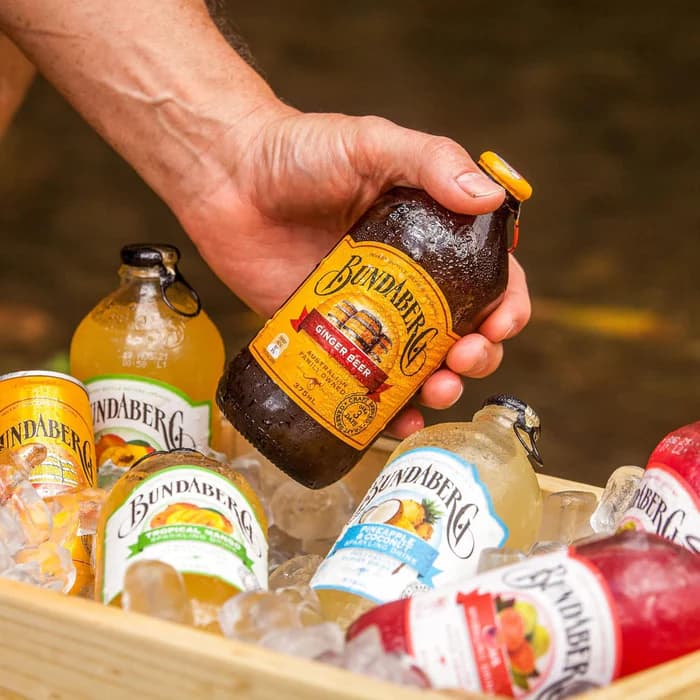
Bundaberg
Iconic Australian brand known for its craft brewed beverages, especially its bold and natural ginger beer. Made using real ginger and traditional fermentation, Bundaberg delivers an authentic, full-bodied, and refreshing taste.
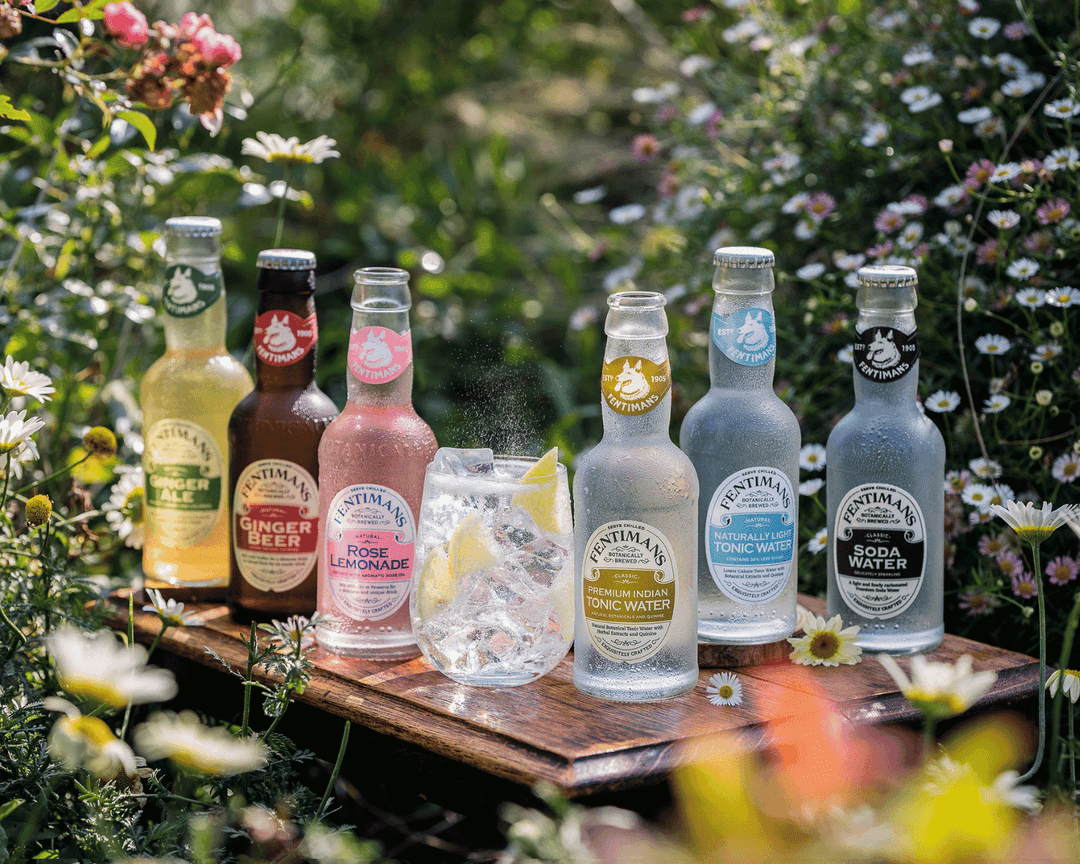
Fentimans
Fentimans is a historic British brand known for its botanically brewed sodas and ginger beers, offering natural, complex, and refined flavors.
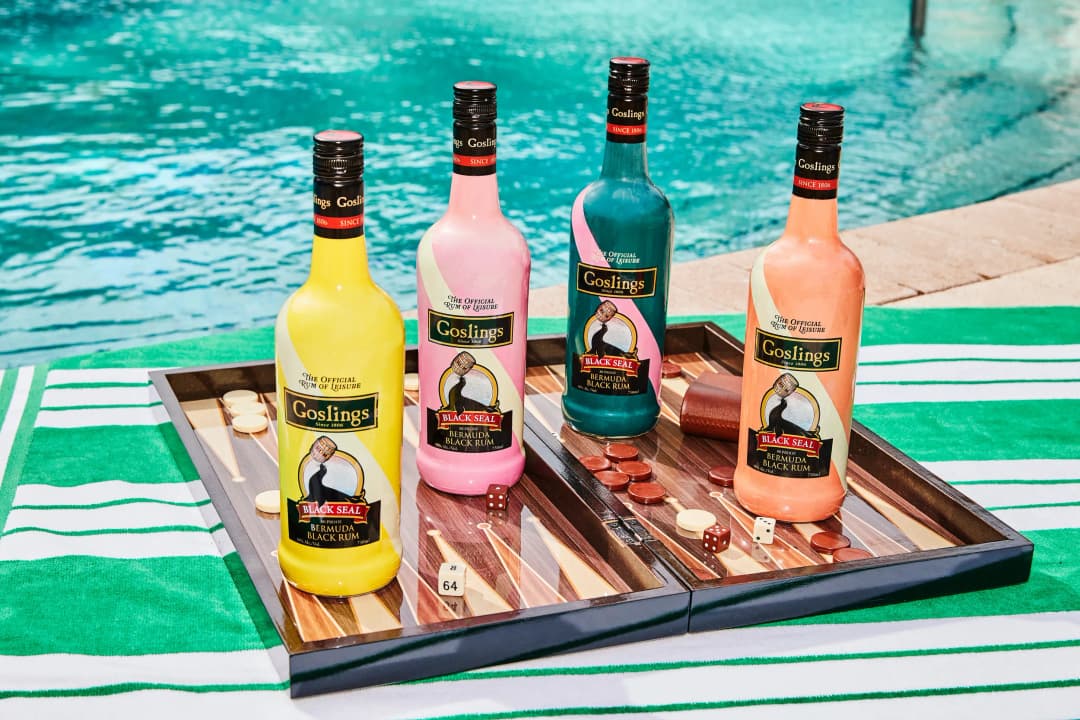
Gosling's
Family owned business, born in 1806 on Bermuda and still thriving today. Their award–winning portfolio includes aged Goslings Rums, bold Stormy Ginger Beer, and Finest Tonic Waters.
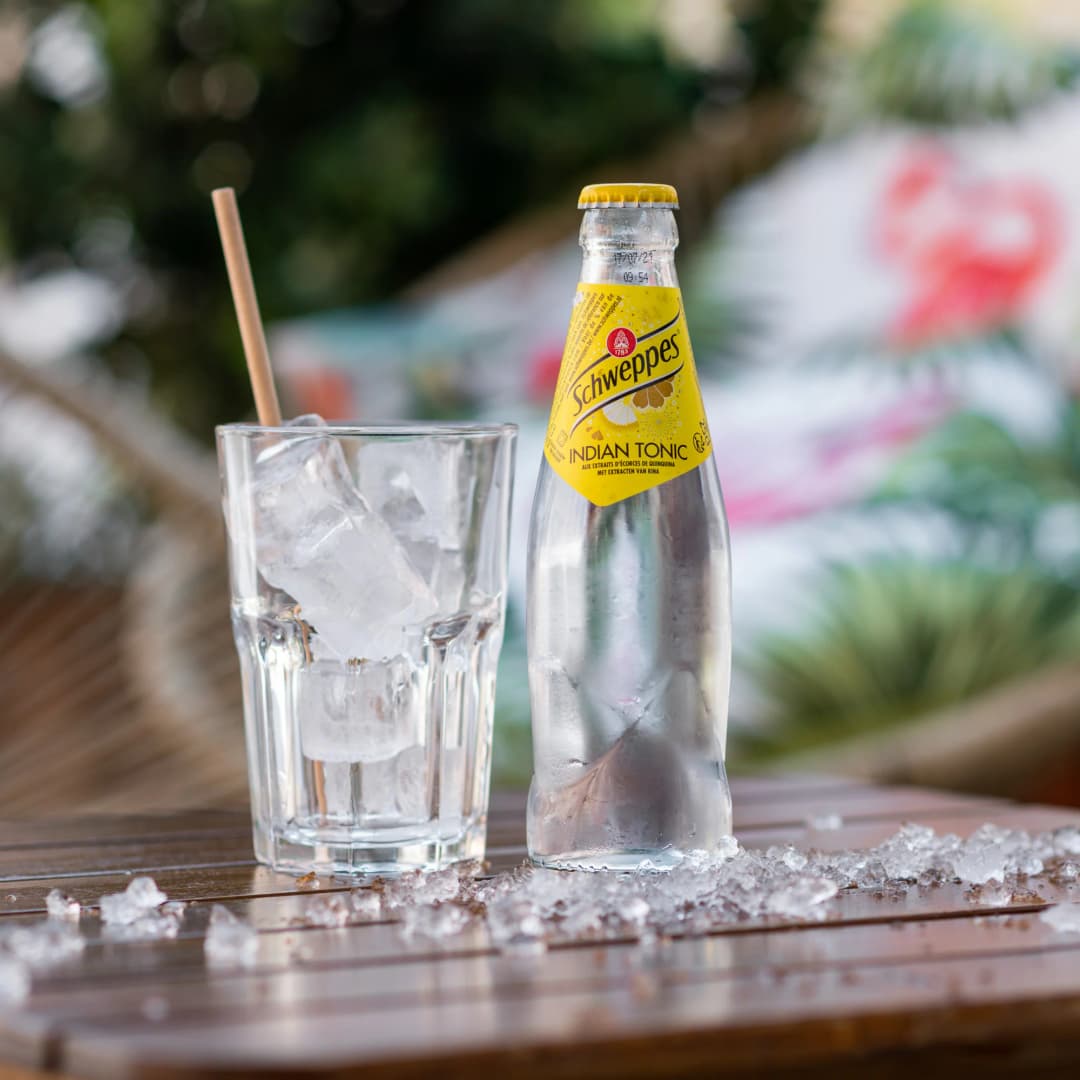
Schweppes
An iconic sparkling beverage brand renowned for its unique flavors and expertise since 1783. Combining freshness, elegance, and creativity, it offers premium sodas that enhance moments of conviviality, from refined aperitifs to trendy cocktails.
Fever-Tree Ginger Beer — The benchmark for craft ginger beer. Uses three types of ginger, naturally light carbonation, complex flavor. The gold standard for cocktails.
Bundaberg Ginger Beer — Brewed in Australia, genuinely fermented. Sweeter than Fever-Tree, with a slightly tropical character. Excellent value.
Fentimans Ginger Beer — Botanical brewing process, the spiciest of the major brands. Outstanding in a Tequila Mule if you want heat.
Gosling's Stormy Ginger Beer — Specifically designed to accompany dark rum. Fuller-bodied, less sweet, more complex.
Canada Dry / Schweppes Ginger Ale — The default soft drink option. Fine for casual drinking, but not the right tool for serious cocktails.
The Bottom Line
Ginger beer and ginger ale are not interchangeable — they're different products for different purposes. If you're mixing cocktails, especially spirit-forward drinks like a Tequila Mule or Moscow Mule, ginger beer is the right choice. Its bold, spicy character adds the complexity that makes these cocktails worth drinking.
Ginger ale is a fine soft drink — lighter, sweeter, universally accessible. But in the cocktail world, it plays a supporting role at best.
FAQ
What is the difference between ginger beer and ginger ale?
Ginger beer is brewed or fermented using real ginger root, producing a bold, spicy flavor with natural carbonation. Ginger ale is a sweetened carbonated soft drink made with ginger extract or syrup — it's milder, sweeter, and closer to a flavored soda. For cocktails, ginger beer is almost always the better choice.
Does ginger beer have alcohol?
Most commercial ginger beers contain less than 0.5% ABV, which is legally classified as non-alcoholic in most countries. Traditional homebrewed ginger beer can reach 2–3% ABV due to active fermentation, but bottles you buy at the supermarket — Fever-Tree, Bundaberg, Fentimans — are safe to drink like any soft drink.
Can I substitute ginger ale for ginger beer in a cocktail?
You can, but the result will be noticeably different. Ginger ale is much sweeter and far less spicy than ginger beer. In cocktails like the Tequila Mule or Moscow Mule, substituting ginger ale produces a flatter, less complex drink. Use ginger beer whenever the recipe calls for it.
Why does ginger beer taste spicier than ginger ale?
Because it uses more actual ginger — often raw or minimally processed ginger root — and sometimes undergoes a brewing or fermentation process that develops more complex flavor compounds. Ginger ale uses a diluted extract and is designed to be mild and universally accessible.
Which ginger beer is best for a Tequila Mule?
Fever-Tree Ginger Beer is the benchmark for cocktail use — complex, not too sweet, with a clean ginger bite. Fentimans is a great choice if you want more heat. Bundaberg offers excellent value with a slightly sweeter, fruitier profile. Avoid mass-market ginger ales entirely for this cocktail.
Is ginger beer healthier than ginger ale?
Neither is a health drink — both contain sugar. Craft ginger beers use real ginger root, which has documented anti-nausea and anti-inflammatory properties, but the amounts in a cocktail serving are unlikely to be clinically meaningful. If health is a concern, look for reduced-sugar or diet versions.
What is a ginger beer plant?
A ginger beer plant is a traditional symbiotic culture used in homebrewing, similar to a sourdough starter or kombucha SCOBY. It contains yeast and bacteria that ferment sugar and ginger into a naturally carbonated, slightly alcoholic beverage. Most commercial producers no longer use it, relying instead on controlled brewing or carbonation methods.
About the author

Alexandre Germain
Alex is the founder of Smarter Spirits and a cocktail enthusiast who has tested dozens of tequilas to find the smoothest options for shots. He focuses on practical guides, honest comparisons, and real tasting experiences.