Best Tequila for a Paloma (2026) — 8 Bottles Ranked
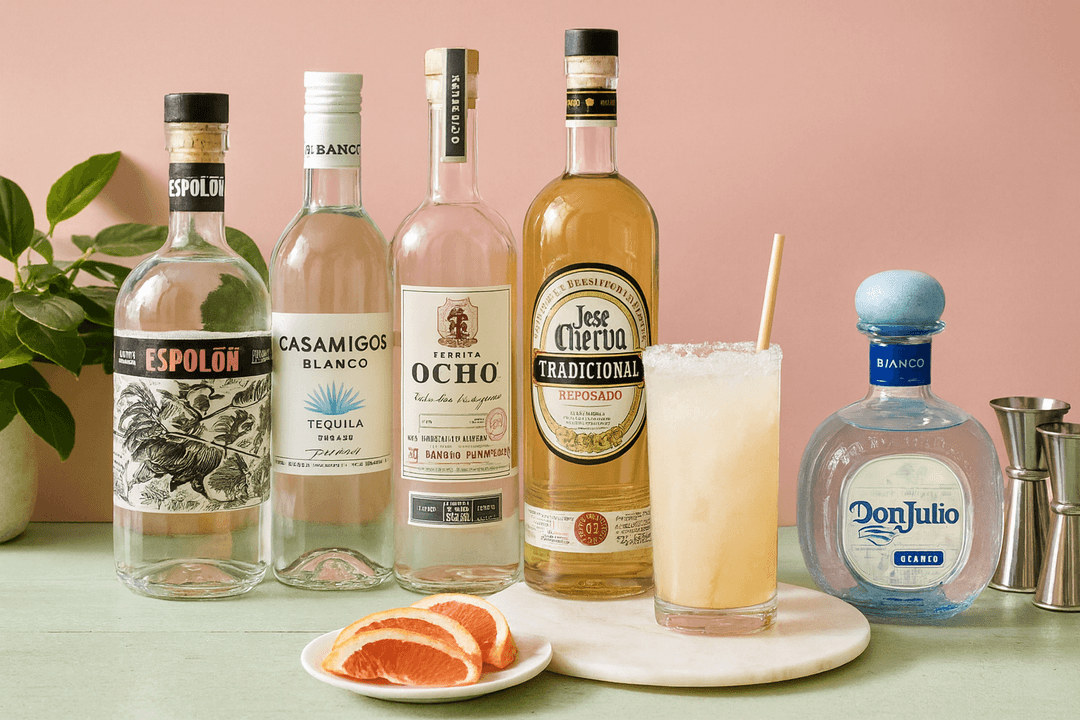
Bottles featured in this article
Quick comparison of all bottles mentioned below.
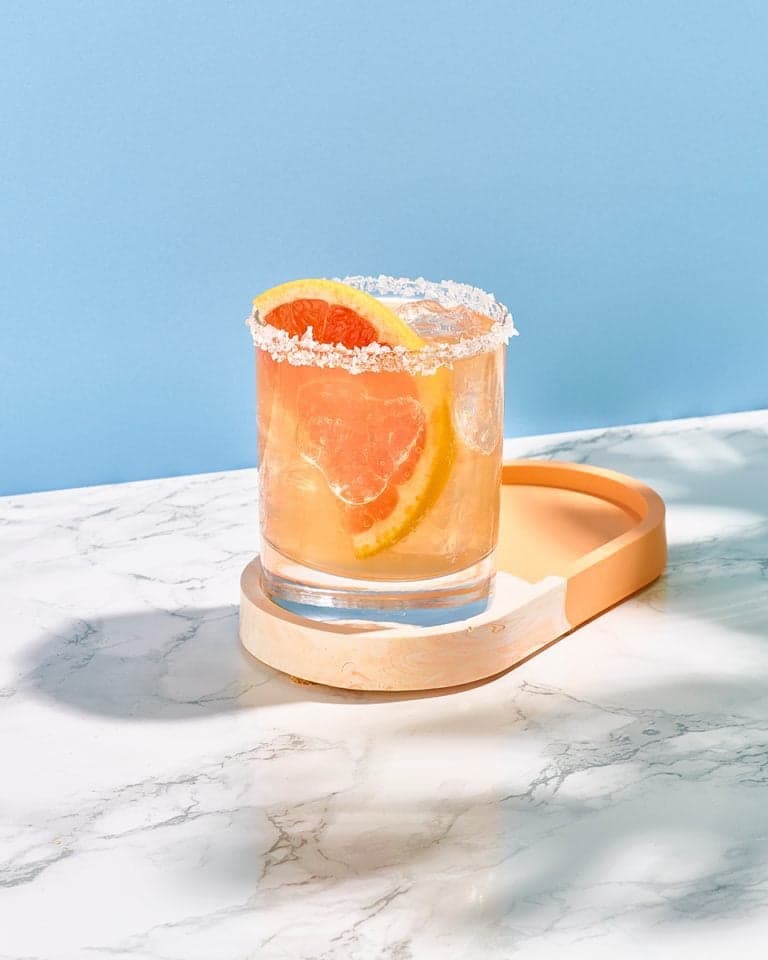
The Paloma is one of Mexico's most beloved cocktails — tequila, grapefruit soda, lime, salt. Four ingredients, and the tequila carries most of the weight. Pick the wrong bottle and the grapefruit overwhelms everything. Pick the right one and you get a drink with genuine complexity: citrus brightness, agave depth, and a clean, refreshing finish.
This guide ranks 8 of the best tequilas for a Paloma — blancos and reposados, budget to premium — judged specifically on how they perform in the cocktail, not just how they taste straight.
What Makes a Tequila Work in a Paloma?
The Paloma is a citrus-forward, relatively sweet cocktail. The grapefruit soda brings acidity and sugar; the lime brings sharpness. Your tequila needs to anchor the drink — not disappear into it, and not fight it.
100% agave is non-negotiable. Mixto tequilas — anything not labeled "100% agave" — add a harsh, medicinal quality that clashes with grapefruit. This is the single most important filter before anything else.
A dry or semi-dry finish works best. Sweet tequilas compete with the grapefruit soda's natural sweetness and push the cocktail out of balance. You want the tequila to cut through, not add to the sugar load.
Agave intensity matters more than complexity. A Paloma doesn't reward subtle oak notes or dried fruit — those get lost. What comes through is the raw agave character: pepper, citrus zest, mineral, herb. That's what to look for.
Blanco vs Reposado for a Paloma
Blanco is the classic choice — unaged, bright, and agave-forward. The fresh citrus and peppery character of a good blanco echoes the grapefruit and lime without competing. Most traditional Mexican Palomas use blanco.
Reposado is the best alternative. Aged two months to a year in oak, reposado adds subtle vanilla and warmth that rounds out the cocktail. It's particularly good if you find straight blanco too sharp, or if you're making a winter version of the drink. The oak notes don't overwhelm — they add body.
Añejo is generally a mistake. The heavy oak and dried fruit notes get muddled by the grapefruit and lime. You'd be paying for complexity you can't taste.
The 8 Best Tequilas for a Paloma
🥇 Best Overall — Ocho Plata
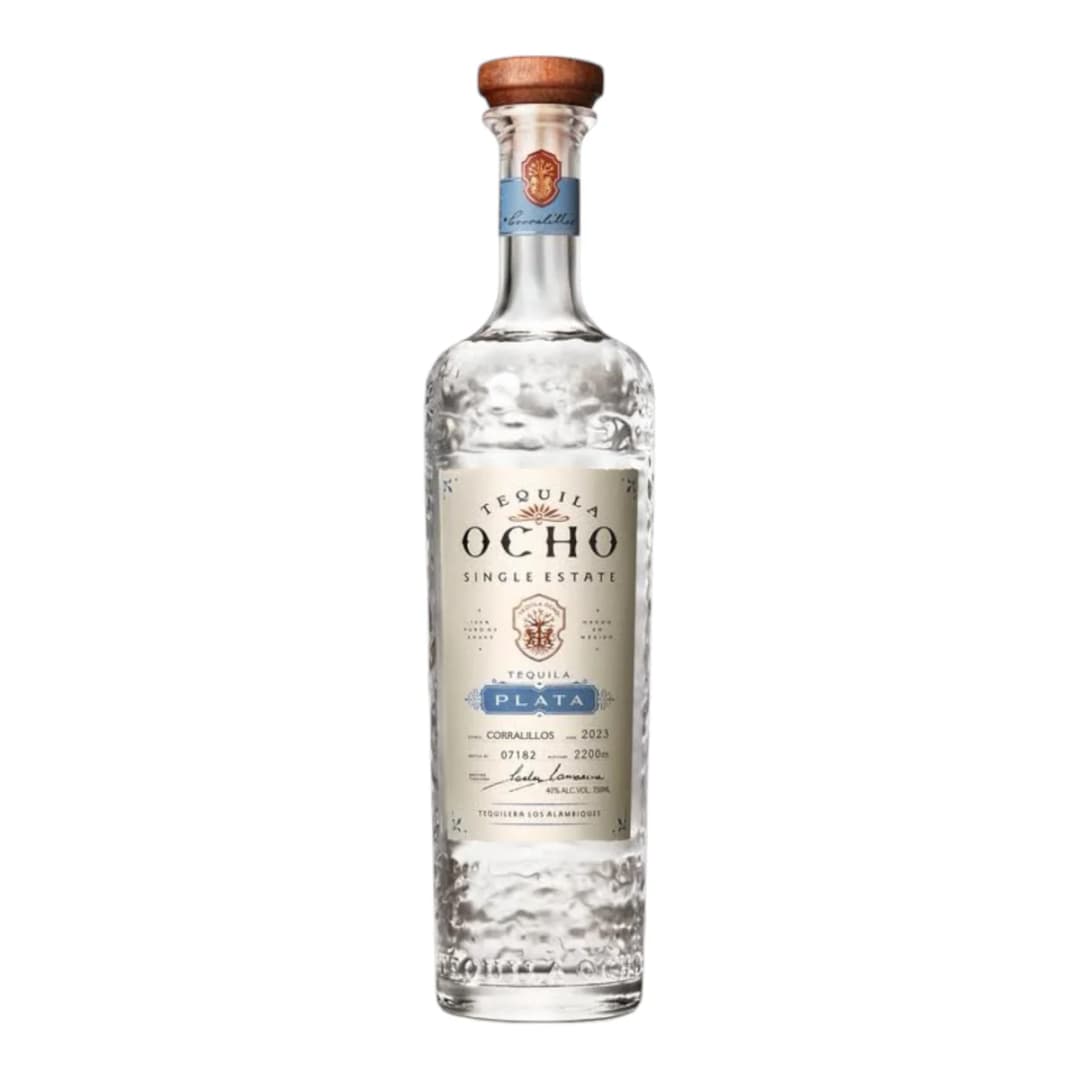
Ocho Plata is a single-estate blanco — each bottle indicates the specific rancho and vintage of the agave, a level of transparency unique in the category. The flavor is textbook Highlands blanco: citrus zest, cooked agave, white pepper, and a clean, dry, mineral finish. No sweetness, no softness.
In a Paloma, the citrus notes echo the grapefruit, the dry finish keeps the cocktail balanced, and the mineral quality adds a layer of depth that mass-market blancos simply don't have.
Why it works in a Paloma: The mineral, citrus-forward character integrates naturally with grapefruit soda. Dry enough to stay balanced, complex enough to be interesting.
🥈 Best Mid-Range — Siete Leguas Blanco
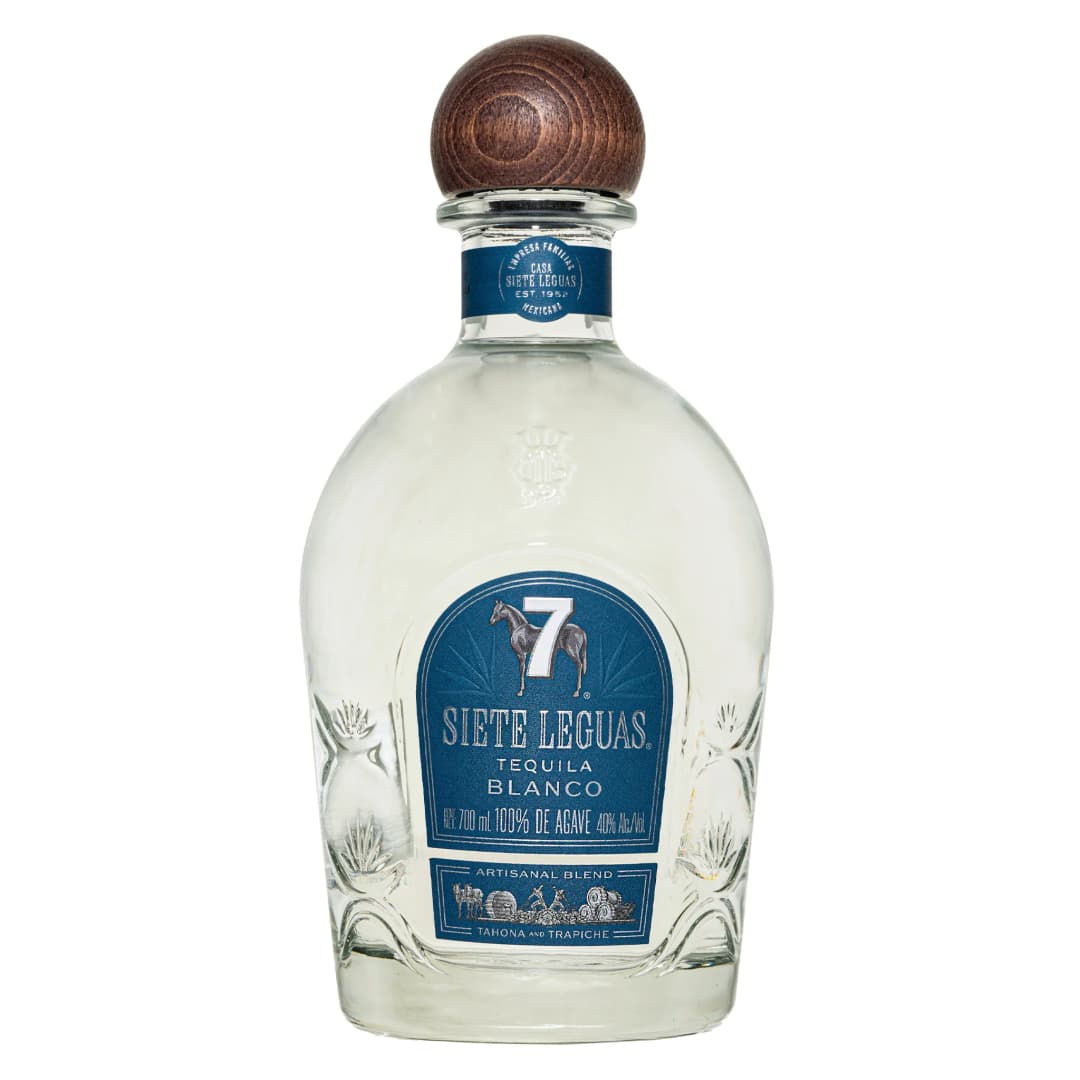
Made the traditional way — tahona-crushed agave, brick ovens, slow fermentation — Siete Leguas Blanco is a benchmark tequila. The flavor is rounder and more complex than most at its price: cooked agave, fresh herbs, black pepper, and a long mineral finish. It's not the cheapest bottle on this list, but it's the most complete.
In a Paloma, the herbal complexity and mineral finish add real dimension. You can taste the difference from the first sip.
Why it works in a Paloma: The earthy agave depth and long finish give the cocktail structure. Pairs exceptionally well with a quality grapefruit soda like Jarritos.
🥉 Best for Intensity — Fortaleza Blanco
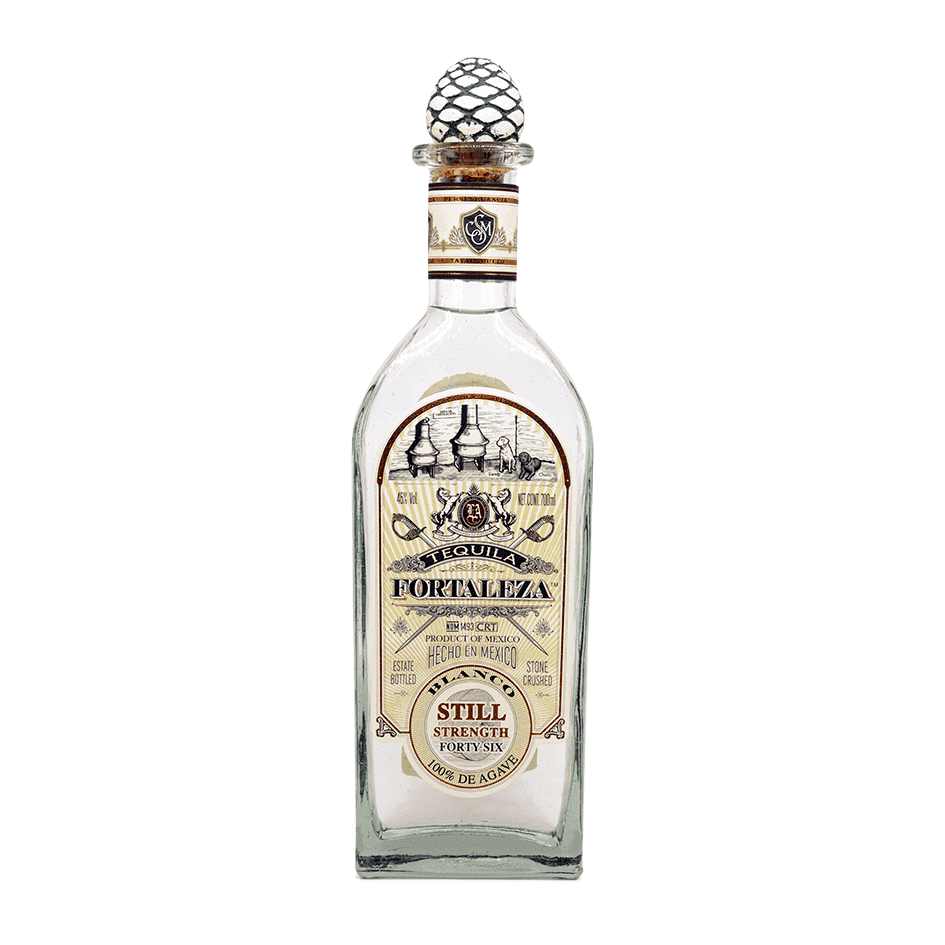
Fortaleza is made using genuinely old-world methods — tahona mill, brick ovens, wooden fermentation tanks, copper pot stills. The result is one of the most distinctive blancos available: buttery, slightly briny, with cooked agave sweetness and a savory olive note that's unlike anything else in the category.
In a Paloma, Fortaleza creates a complex, almost food-like cocktail. It's the choice when you want the tequila to be the star, not just the base.
Why it works in a Paloma: The savory, mineral complexity cuts through the grapefruit and creates a genuinely layered drink. Best with a less sweet grapefruit soda to avoid balance issues.
Best Budget Blanco — Espolòn Blanco
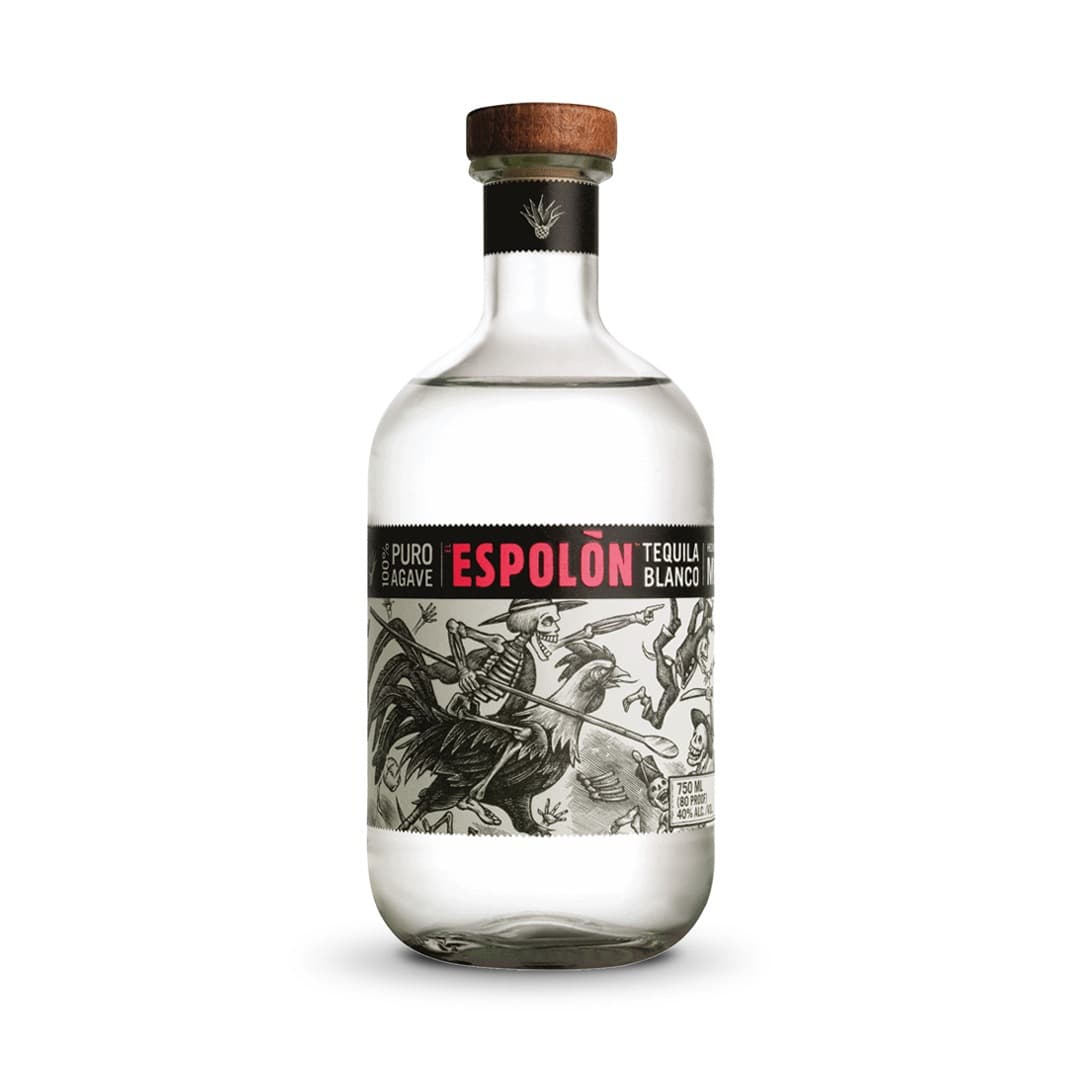
Espolòn is the benchmark budget blanco — 100% agave, well-made, widely available, consistently around $25-30. It has a clean, slightly tropical profile with good pepper and enough agave presence to hold its own in a cocktail. Nothing surprising, nothing offensive.
For making Palomas for a group without opening a premium bottle, Espolòn is the answer.
Why it works in a Paloma: Clean 100% agave base, no off-flavors, enough presence to survive grapefruit soda. Priced so you can pour freely.
Best Reposado — Espolòn Reposado
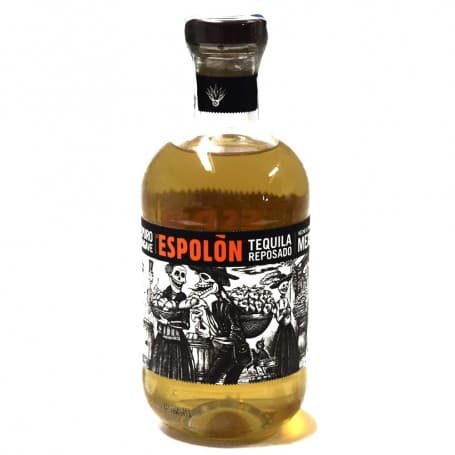
Espolòn Reposado spends several months in American oak, picking up subtle vanilla and caramel without losing the agave backbone. In a Paloma, the oak influence rounds the lime's sharpness and makes the cocktail feel more cohesive — warmer, slightly richer, without tipping into añejo territory.
Particularly good if you're using a sweeter grapefruit soda: the reposado's dryness compensates.
Why it works in a Paloma: The vanilla-oak softness creates a rounder cocktail. A more comfortable, winter-friendly Paloma without sacrificing agave character.
Best Reposado Premium — Siete Leguas Reposado
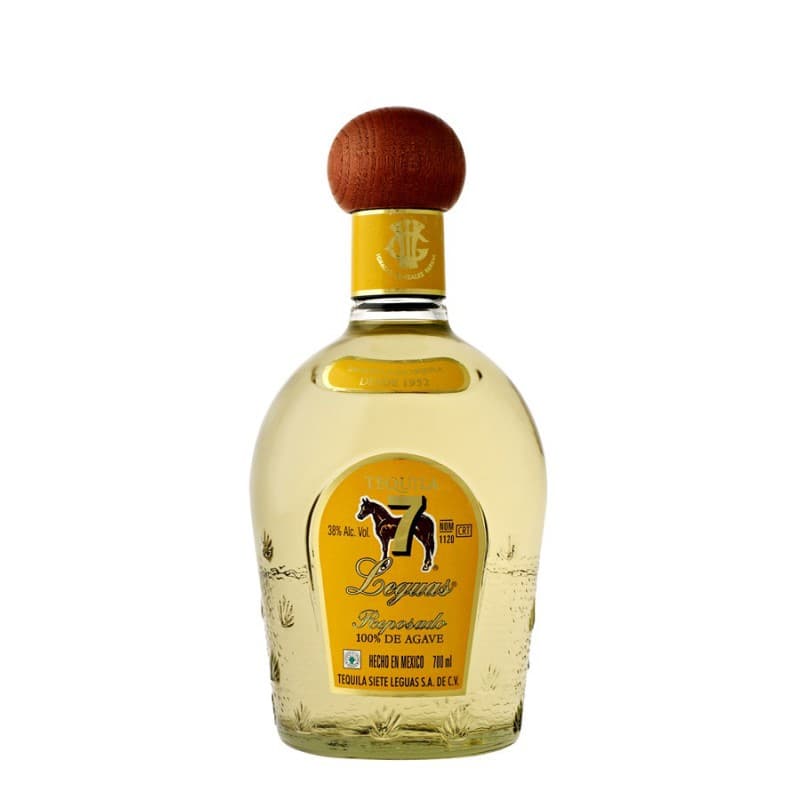
If Siete Leguas Blanco is already excellent, the Reposado adds another dimension. Aged in American oak barrels, it retains the distillery's signature earthy, peppery agave character while gaining a subtle warmth and roundness. The finish is long, complex, and dry — exactly what a Paloma needs from its reposado.
Why it works in a Paloma: The combination of intense agave and controlled oak gives the cocktail depth without sweetness. The best reposado option if you want to step up from Espolòn.
Smooth & Approachable — Patrón Silver
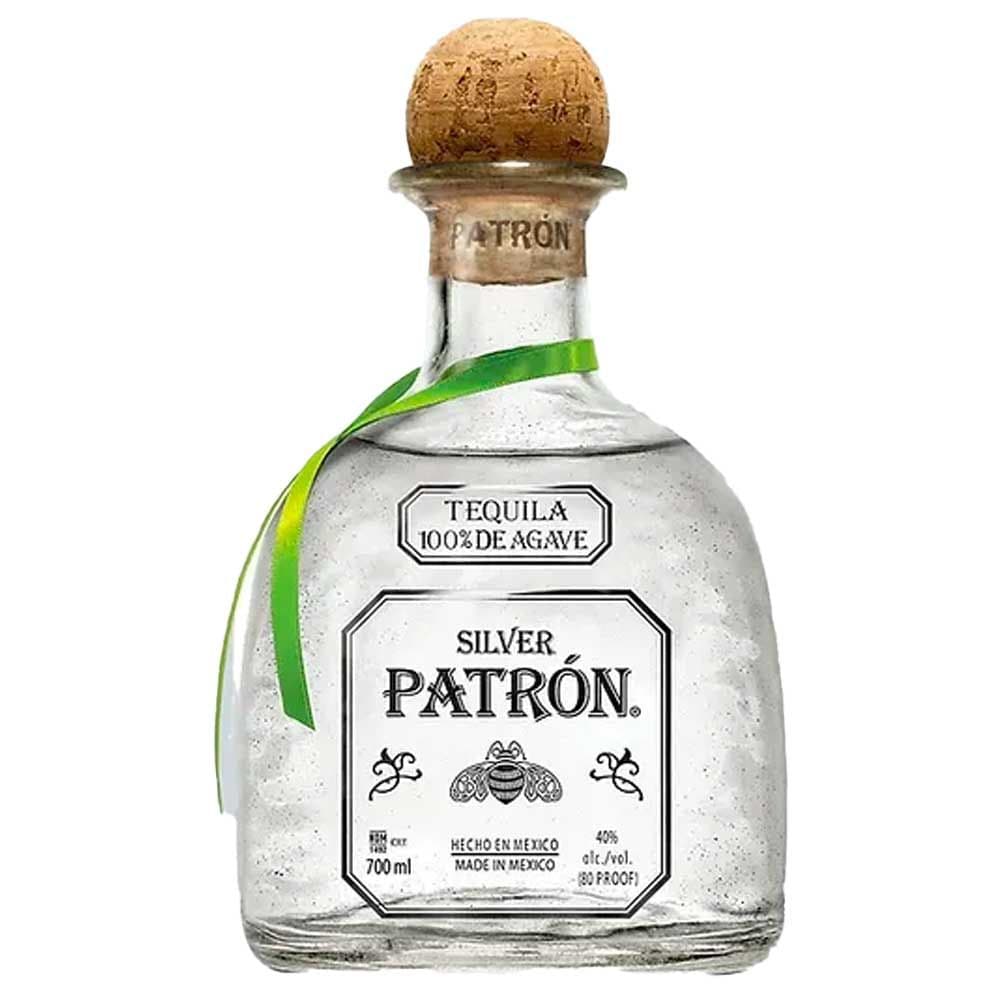
Patrón is known for its clean, neutral, exceptionally smooth profile. Light pepper, a hint of citrus, nothing aggressive. It's not the most complex tequila on this list, but it's one of the most consistent — and its neutrality is actually an asset in a Paloma if you want the grapefruit to take center stage.
Why it works in a Paloma: The smooth, non-assertive character lets the grapefruit and lime lead. The right choice if you prefer a lighter, more refreshing cocktail over an agave-forward one.
Traditional Mexican Choice — Cimarrón Blanco
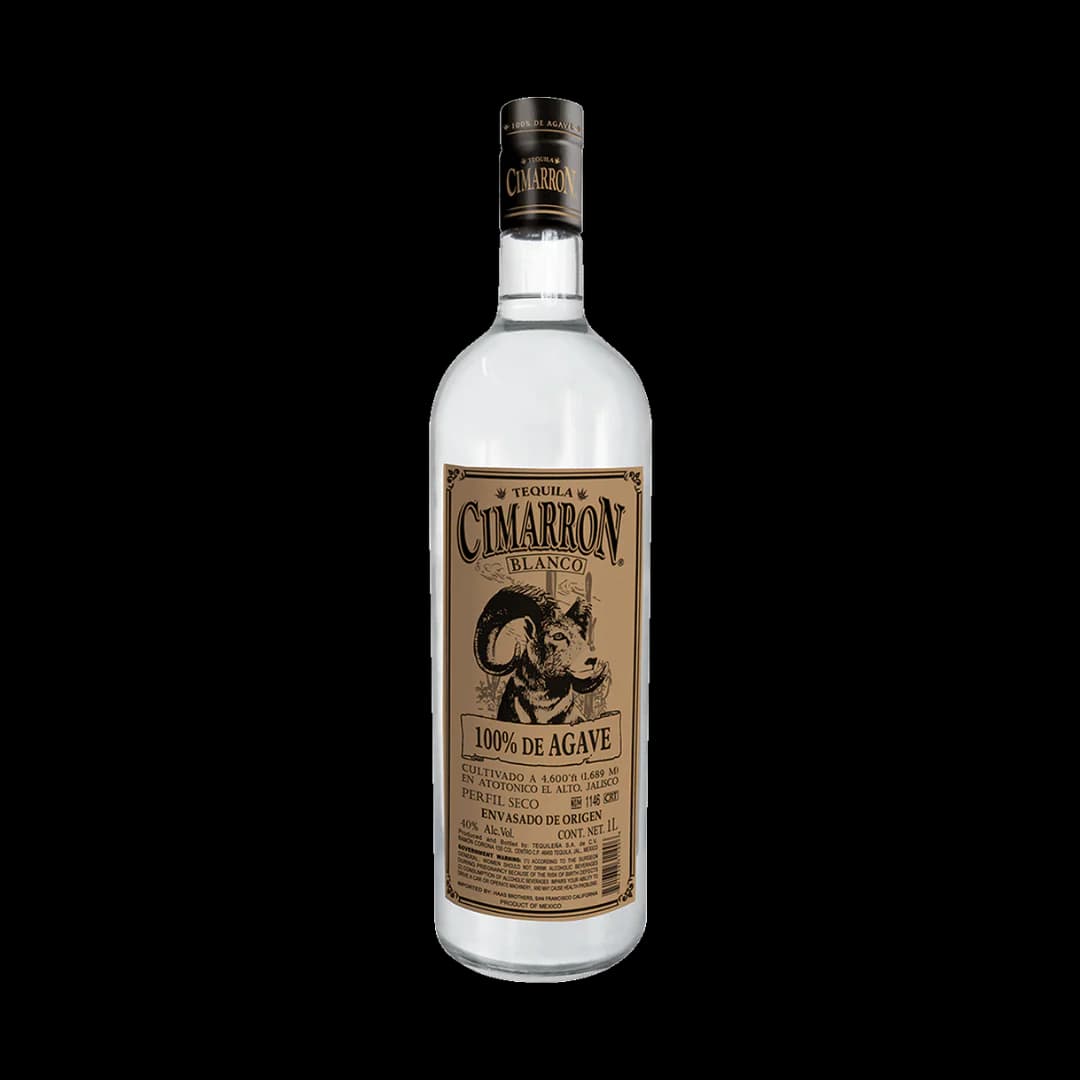
Cimarrón is the open secret of the budget tequila world. Made at NOM 1443 in Jalisco, it's 100% Blue Weber agave, properly distilled, consistently priced under $20. It doesn't have the complexity of Ocho or Siete Leguas, but it has genuine agave character, a clean dry finish, and zero of the harshness you get from mixto bottles.
For a traditional Mexican Paloma — simple, honest, refreshing — Cimarrón is hard to beat at this price.
Why it works in a Paloma: Clean, dry, honest agave character. No off-notes, no sweetness. The most authentic low-budget Paloma you'll make.
Tequilas to Avoid in a Paloma
Mixto tequilas — anything not labeled "100% agave." Jose Cuervo Gold is the most famous example. The added sugars create a harsh, medicinal quality that fights the grapefruit rather than complementing it.
Very sweet blancos — some ultra-premium blancos are made with added sugar (diffuser-produced tequilas often are). Check for "no added sugar" or "NOM artisanal" on the label. Sweetness in the tequila + sweetness in the grapefruit soda = an unbalanced, cloying cocktail.
Añejo and extra añejo — the oak and dried fruit notes are genuinely delicious straight, but they get buried under grapefruit and lime. Not worth the price premium for a cocktail.
The Classic Paloma Recipe
2 oz (60ml) blanco tequila (100% agave)
½ oz (15ml) fresh lime juice
4-5 oz (120-150ml) grapefruit soda (Jarritos, Squirt, or Fever-Tree Pink Grapefruit)
Pinch of salt
Garnish: grapefruit or lime wedge
Salt-rim a Collins glass and fill with ice. Add tequila and lime juice. Top with grapefruit soda and stir gently once. Garnish and serve immediately.
Pro tip: If you want more control over sweetness, replace the grapefruit soda with 2 oz fresh grapefruit juice + 2 oz sparkling water. It makes a drier, more spirit-forward Paloma.
FAQ
What is the best tequila for a Paloma?
A 100% agave blanco tequila is the classic choice. Its fresh, unaged agave character — citrus, pepper, mineral — complements the grapefruit soda without competing with it. Ocho Plata and Siete Leguas Blanco are the top picks for quality; Cimarrón Blanco is the best budget option.
Can you use reposado tequila in a Paloma?
Yes — a reposado makes an excellent Paloma, especially if you prefer a warmer, rounder cocktail. The subtle vanilla and oak notes from aging add body and smooth out the lime's sharpness. Espolòn Reposado and Siete Leguas Reposado are both strong choices.
What is the best cheap tequila for a Paloma?
Cimarrón Blanco (under $20) is the best budget option — 100% agave, clean, dry, with genuine agave character. Espolòn Blanco ($25-30) is a strong step up if you want more presence in the cocktail. Both outperform any mixto tequila regardless of price.
Does the brand of tequila matter for a Paloma?
The category matters more than the brand. Any 100% agave blanco from a reputable distillery will make a good Paloma. What actually ruins a Paloma is using a mixto tequila — the added sugars and harsh finish clash with the grapefruit soda.
What tequila do they use for Paloma in Mexico?
Traditionally, a simple 100% agave blanco is used — often a locally produced bottle. Herradura, Siete Leguas, and El Jimador are common choices in Mexico. The grapefruit soda of choice is typically Squirt or Jarritos Toronja.
Is Patrón Silver good for a Paloma?
Yes — Patrón Silver is smooth, clean, and consistent, which makes it a reliable choice for a Paloma. It's not the most agave-forward option, but its neutrality lets the grapefruit take center stage. If you prefer a lighter, less assertive cocktail, it's a strong pick.
What tequilas should I avoid in a Paloma?
Avoid mixto tequilas (anything not labeled '100% agave'), sweet añejos, and flavored tequilas. Mixtos have a harsh, medicinal quality that clashes with grapefruit. Añejos are too complex and expensive for what the cocktail will actually deliver — the oak notes get buried.
Blanco or reposado — which is better for a Paloma?
Blanco is the classic, more refreshing choice — bright, citrusy, agave-forward. Reposado makes a warmer, slightly richer Paloma with more body. Both work well. Choose blanco in summer, reposado in cooler months or if you prefer a less sharp cocktail.
About the author

Alexandre Germain
Alex is the founder of Smarter Spirits and a cocktail enthusiast who has tested dozens of tequilas to find the smoothest options for shots. He focuses on practical guides, honest comparisons, and real tasting experiences.
Related articles
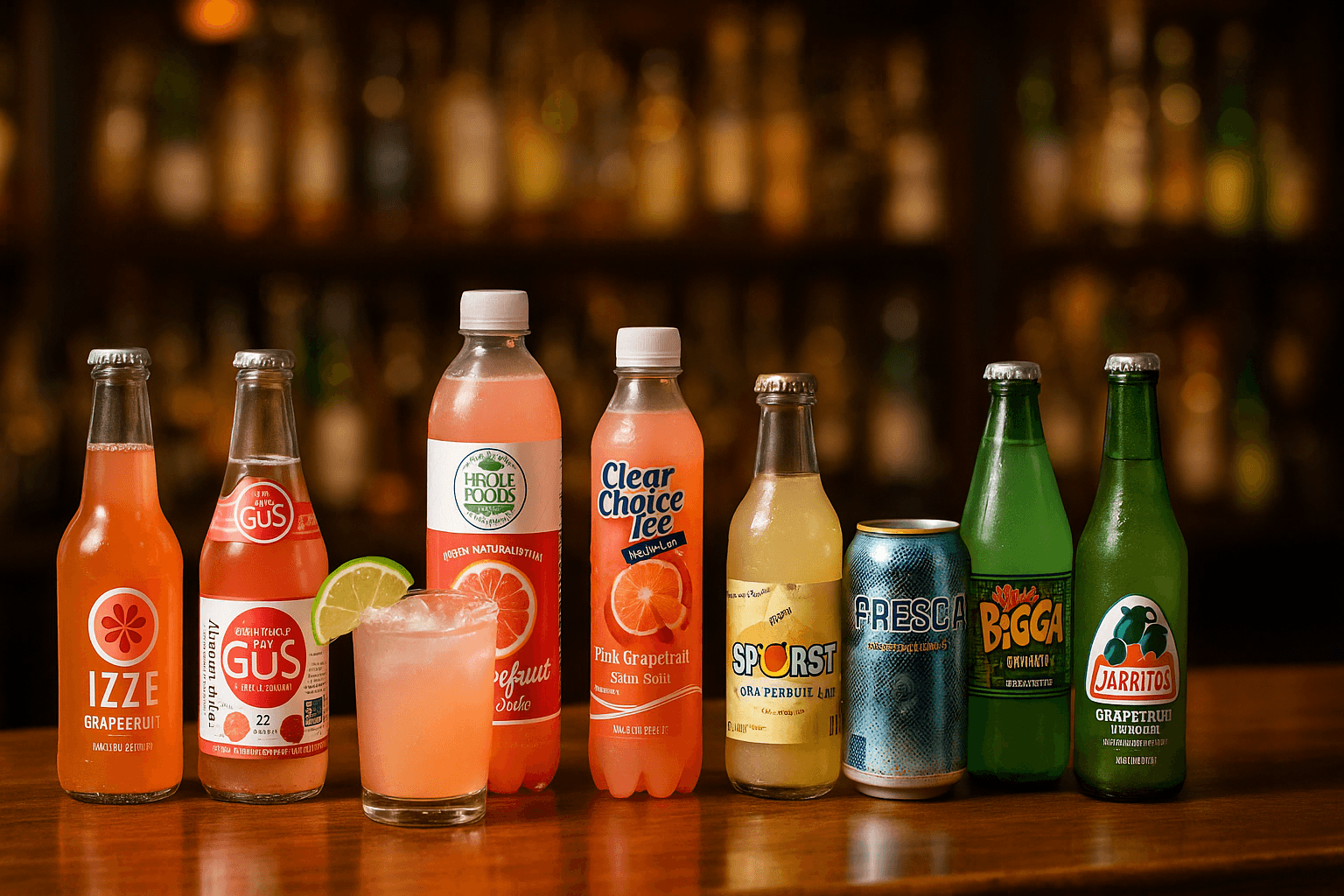
What's the Best Grapefruit Soda for a Paloma?
Tired of unbalanced Palomas? Discover the best grapefruit soda for your cocktail, from Jarritos to San Pellegrino Pompelmo. See what our community ranks as #1.
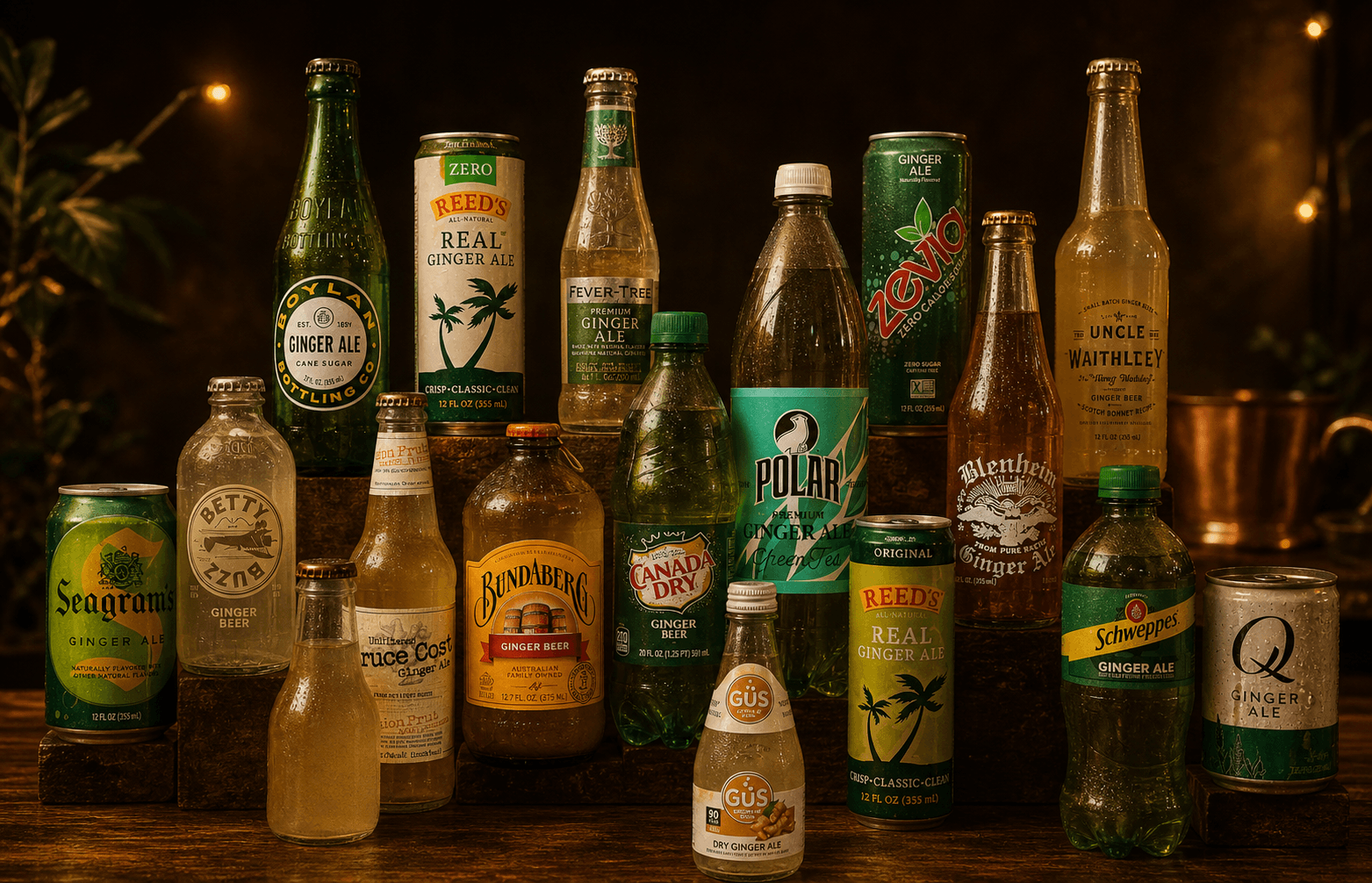
Ginger Beer vs Ginger Ale: What's the Difference? (+ Does It Have Alcohol?)
Ginger beer and ginger ale look the same but taste completely different. Learn how each is made, whether ginger beer contains alcohol, and which one to use in cocktails like the Tequila Mule or Moscow Mule.
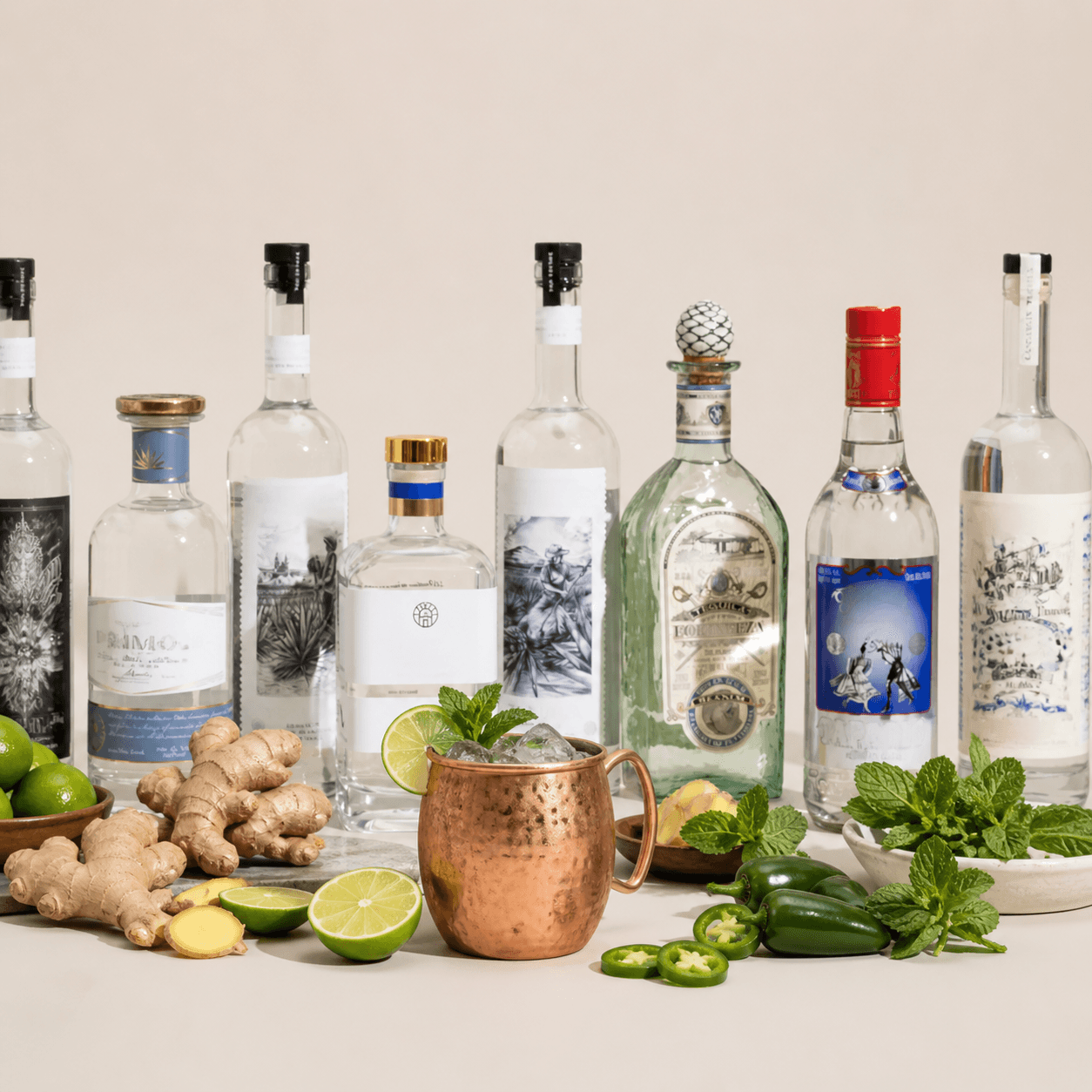
Best Tequila for a Tequila Mule
Looking for the best tequila for a Tequila Mule? We ranked the top bottles by flavor profile, value, and how well they pair with ginger beer and lime. Blanco, reposado — here's what actually works.