Orange liqueur — What is it, Best Bottles, Cocktails & Buying Guide
Everything you need to know about Orange liqueur: how it's made, what it tastes like, and which bottles actually perform in a cocktail. We've ranked and reviewed the top Orange liqueur expressions based on real cocktail match scores and community feedback — so you can find the right bottle for your drink.
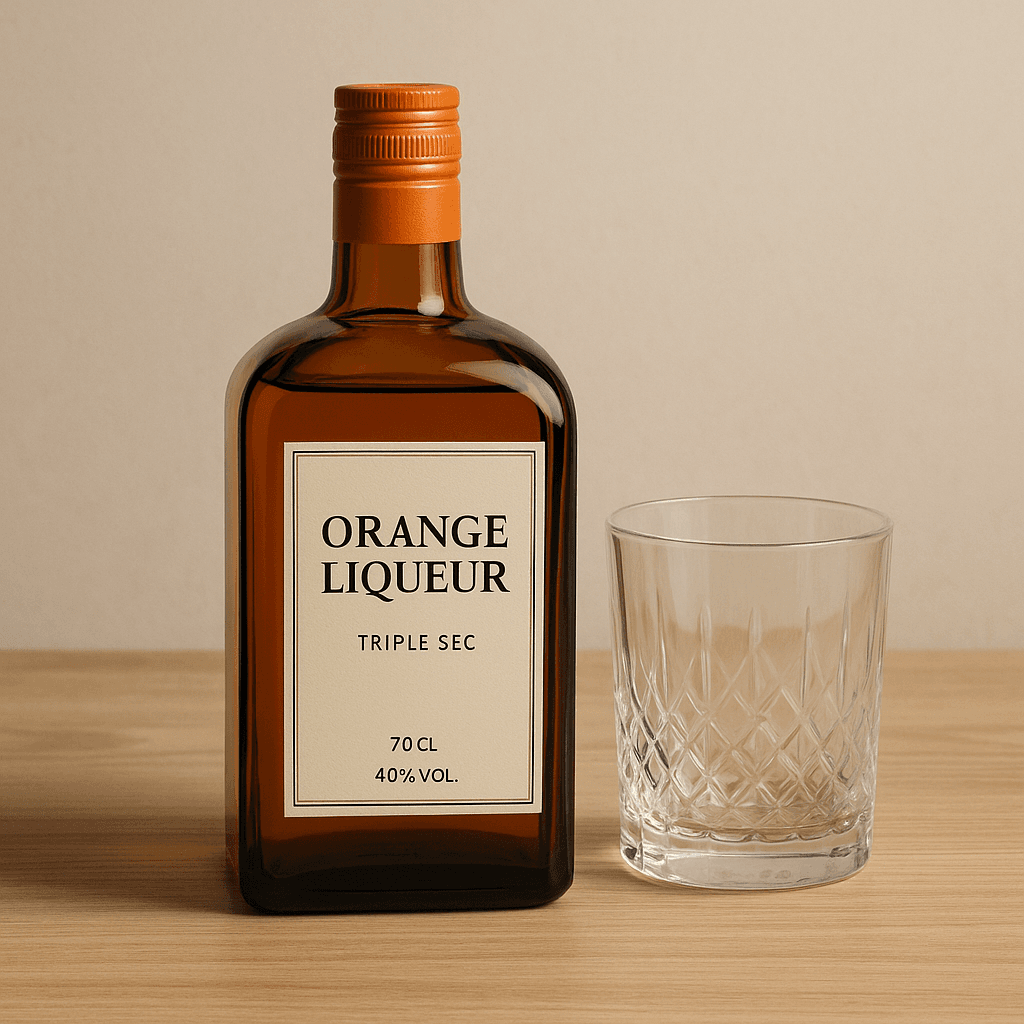
Flavored with sweet and bitter orange peels, combining freshness, sweetness, and complexity—ideal for enhancing both classic and creative cocktails.
Characteristics — Orange liqueur
Key production characteristics common to Orange liqueur — from base ingredients and distillation method to typical ABV ranges and regional origins.
Orange liqueur — Origin: Europe (France, Netherlands), Caribbean · Alcohol: 20° to 40° · Product: Bitter and/or sweet orange peels · Alcohol base: Neutral alcohol, cognac, rum.
- Origin
- Europe (France, Netherlands), Caribbean
- Alcohol
- 20° to 40°
- Product
- Bitter and/or sweet orange peels
- Alcohol base
- Neutral alcohol, cognac, rum
The Ultimate Guide to Orange Liqueurs: Types, Brands, and Essential Cocktails
Orange liqueurs are essential ingredients in many classic cocktails. Loved for their fruity, sweet, and sometimes bitter flavor, they bring elegance and complexity to your creations. Whether you're making a Margarita, Cosmopolitan, or Mai Tai, choosing the right orange liqueur can make all the difference.
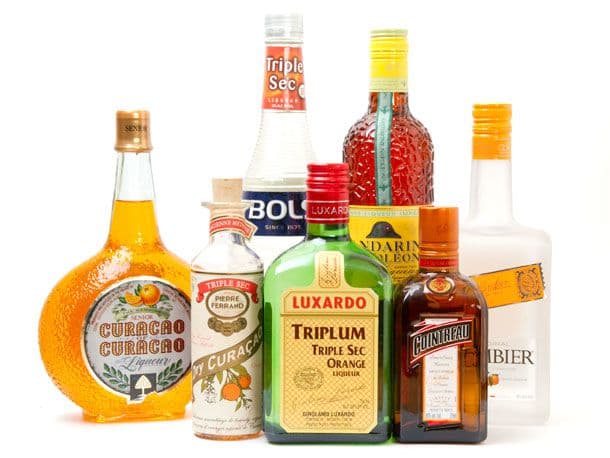
Variety of orange liqueurs
In this guide, discover the different types of orange liqueurs, the most popular brands, how they are made, and which cocktails showcase them best.
What is an orange liqueur?
An orange liqueur is a sweet alcoholic beverage flavored with peels from sweet or bitter oranges (sometimes both). It may be based on brandy, rum, or neutral alcohol. It’s not a spirit on its own, but a category of liqueur, often used as an ingredient in cocktails.
There are two main styles:
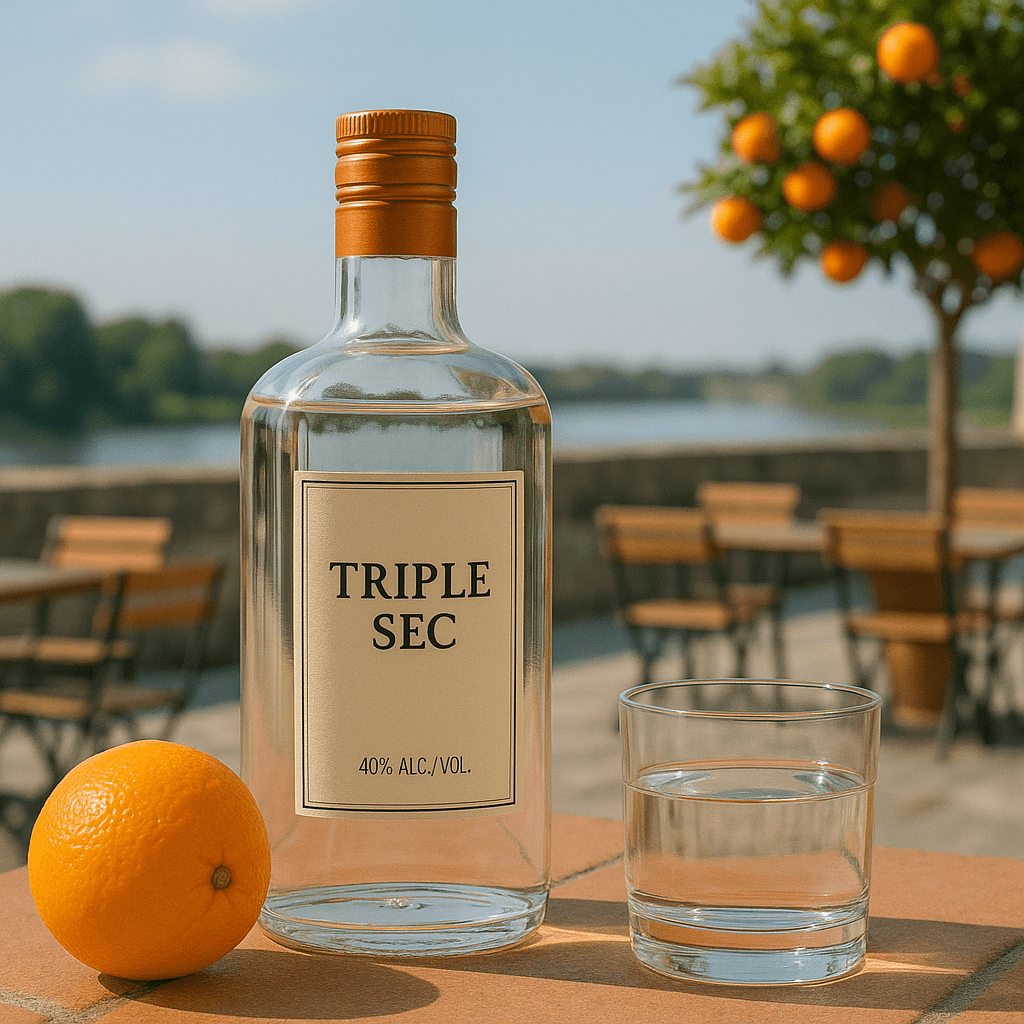
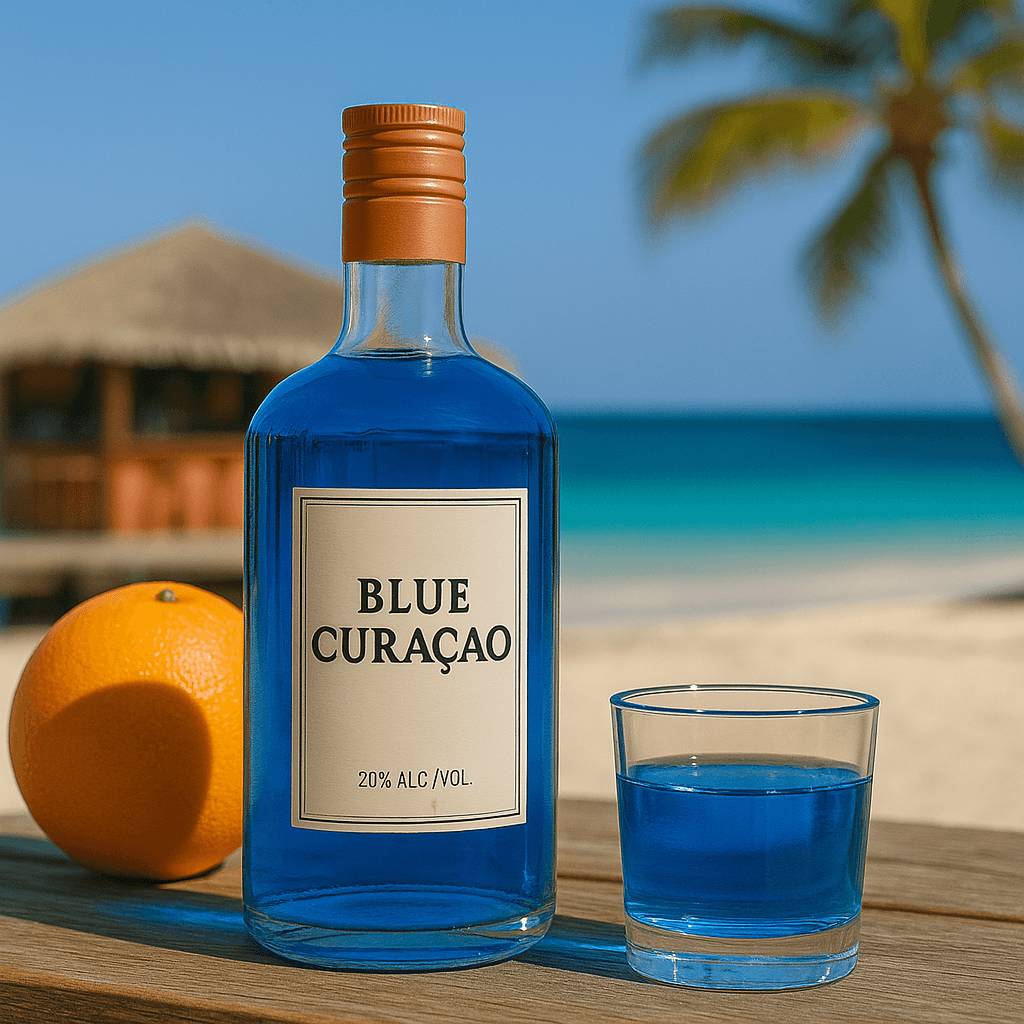
How are they made?
Maceration or distillation of peels: Orange peels (sweet or bitter) are soaked in neutral alcohol or distilled.
Blending: The infused alcohol is mixed with other ingredients such as sugar syrup, spices, or premium spirits (e.g., cognac for Grand Marnier).
Resting and filtration: The liqueur rests for a few weeks or months to harmonize aromas, then is filtered before bottling.
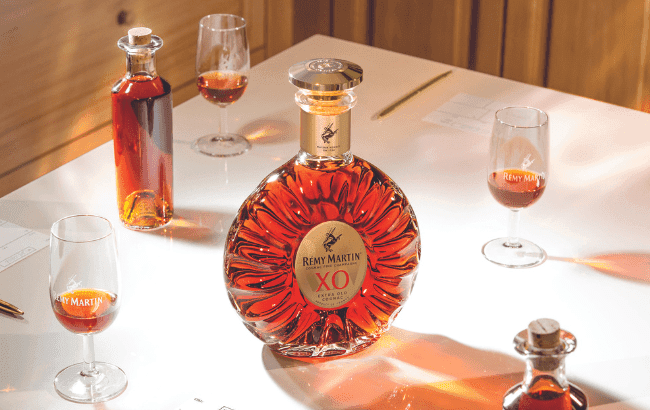
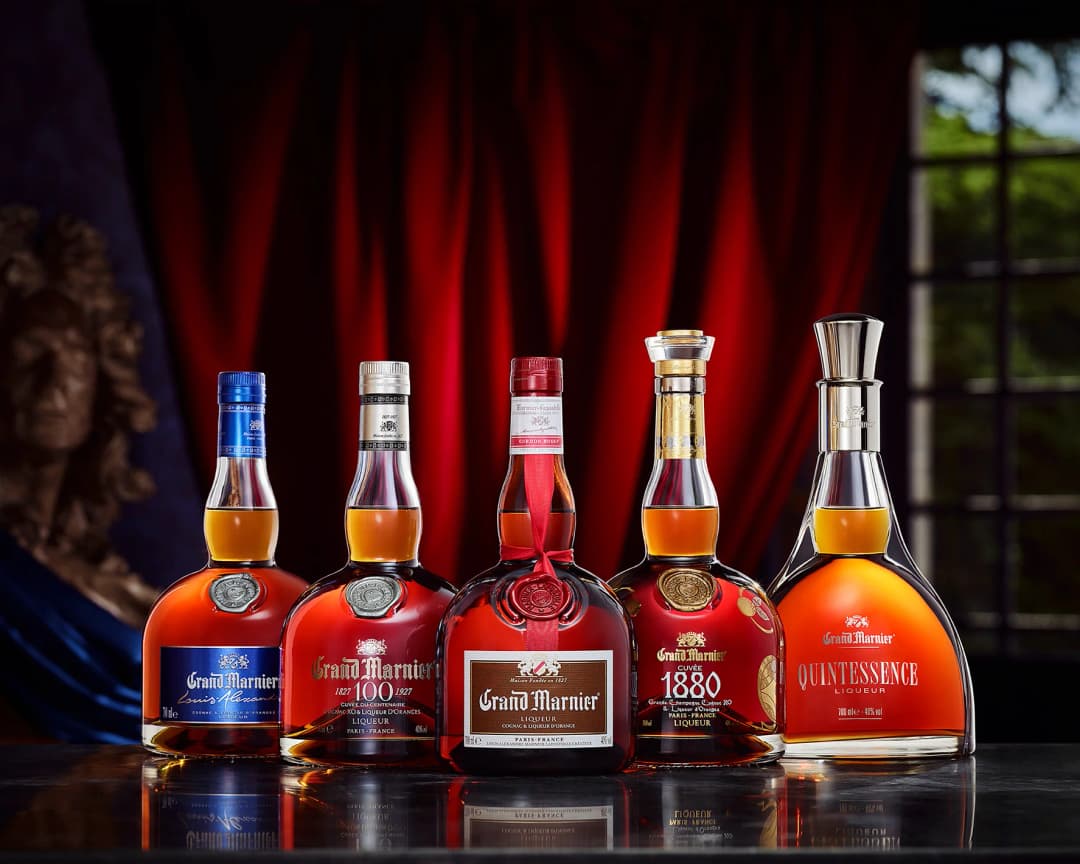
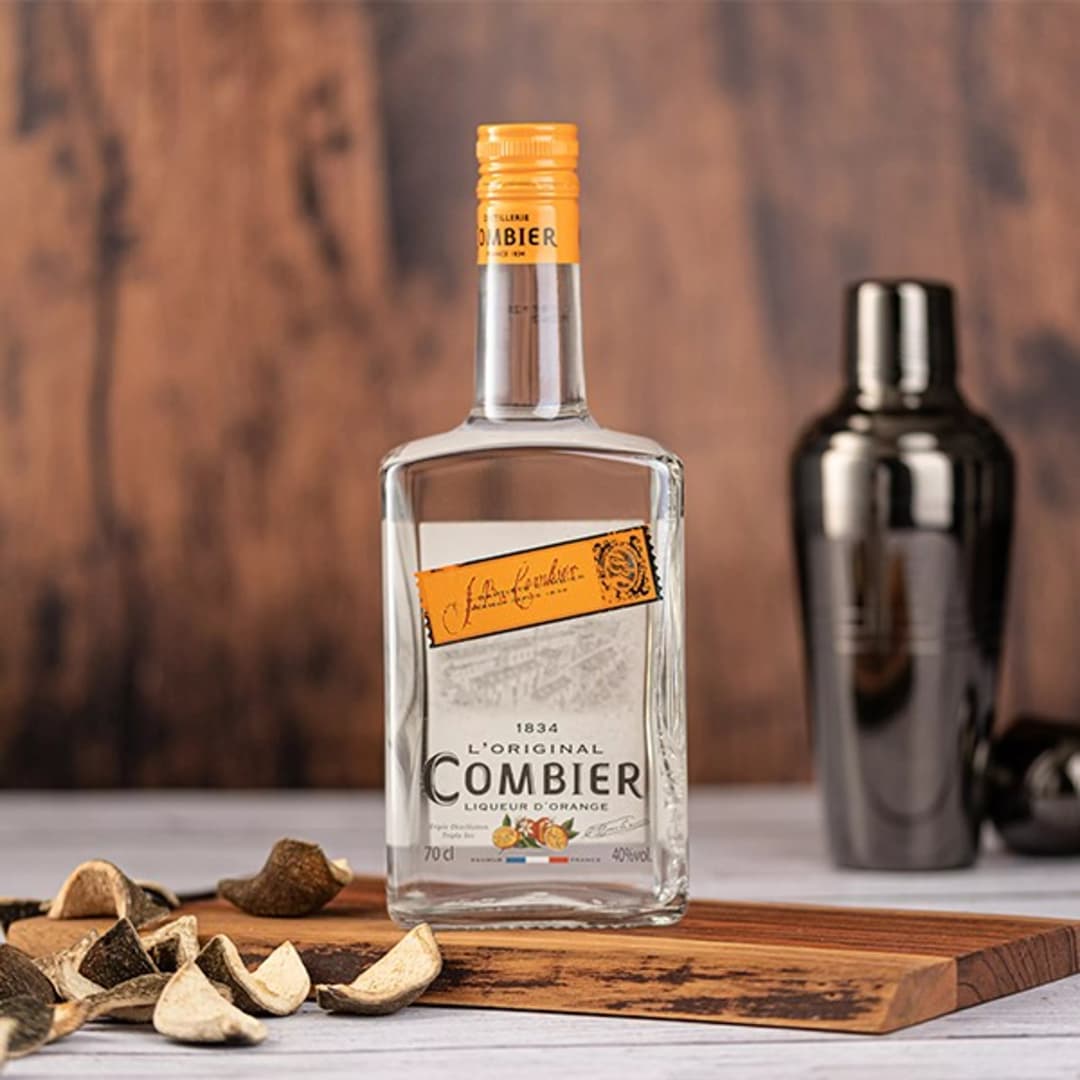
Most popular orange liqueur brands
Best bottles of orange liqueur
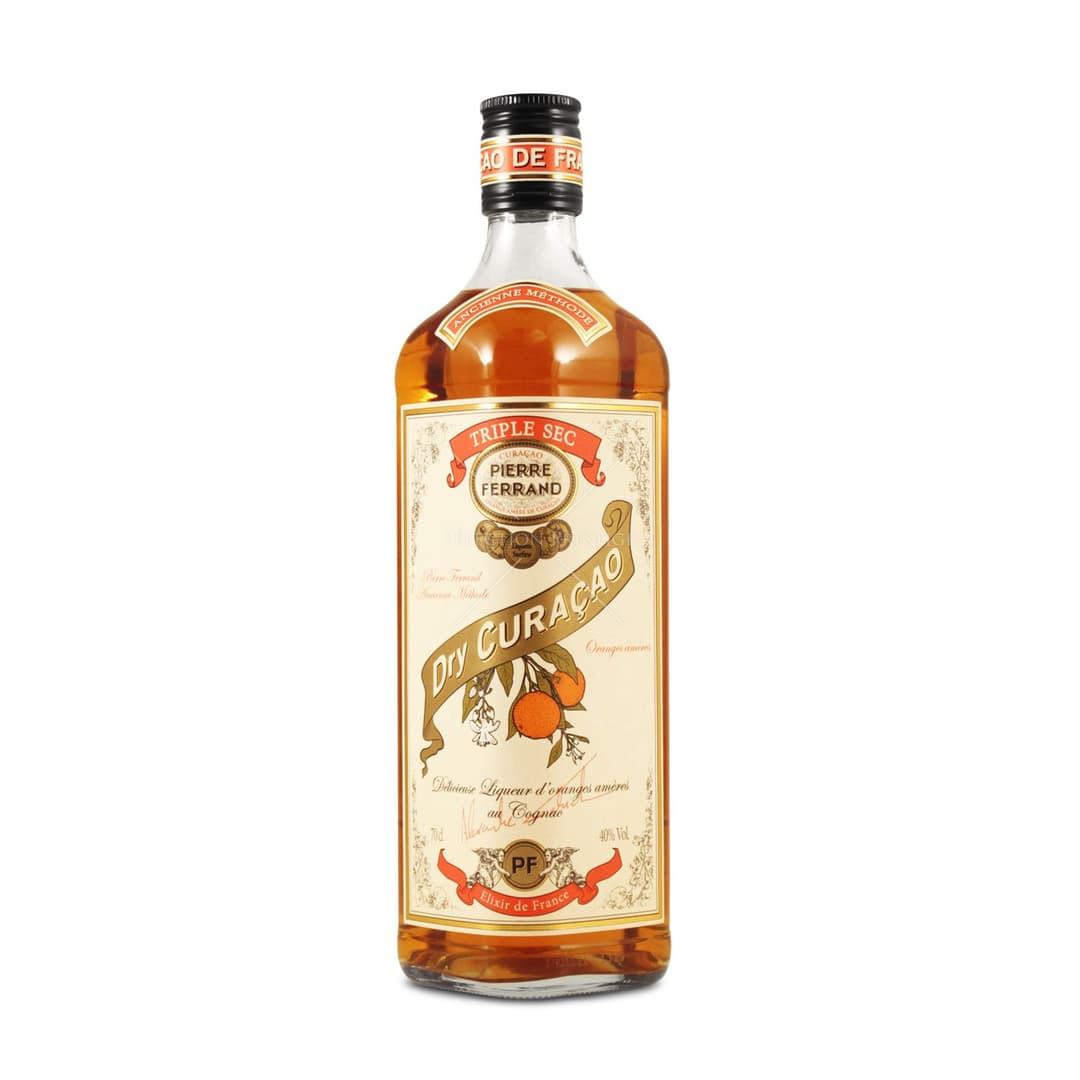
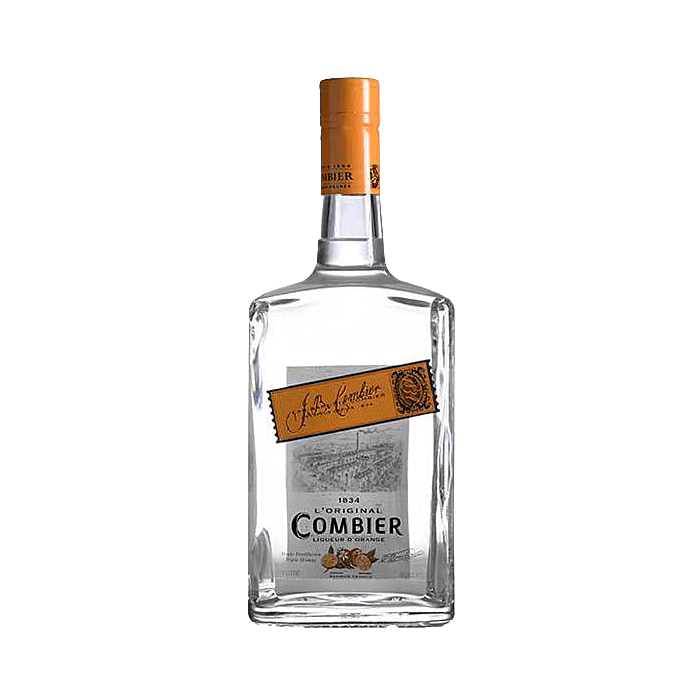
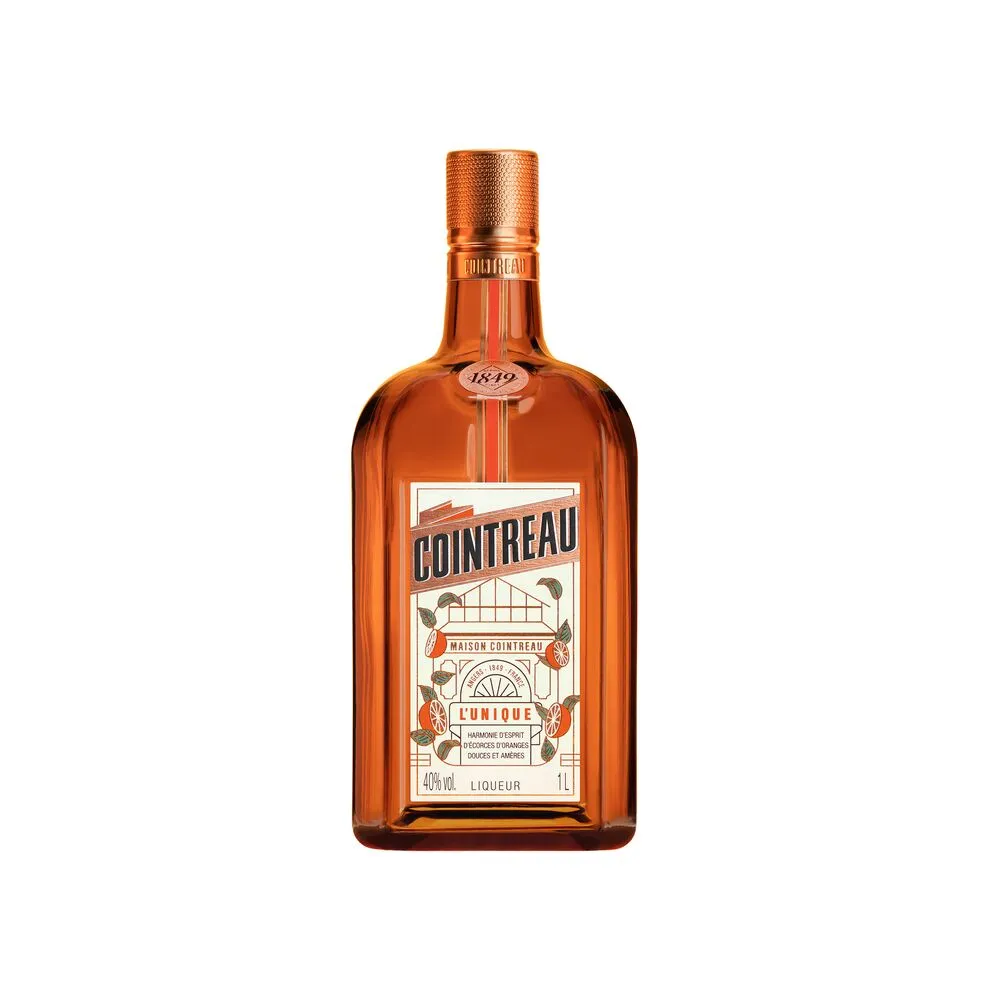
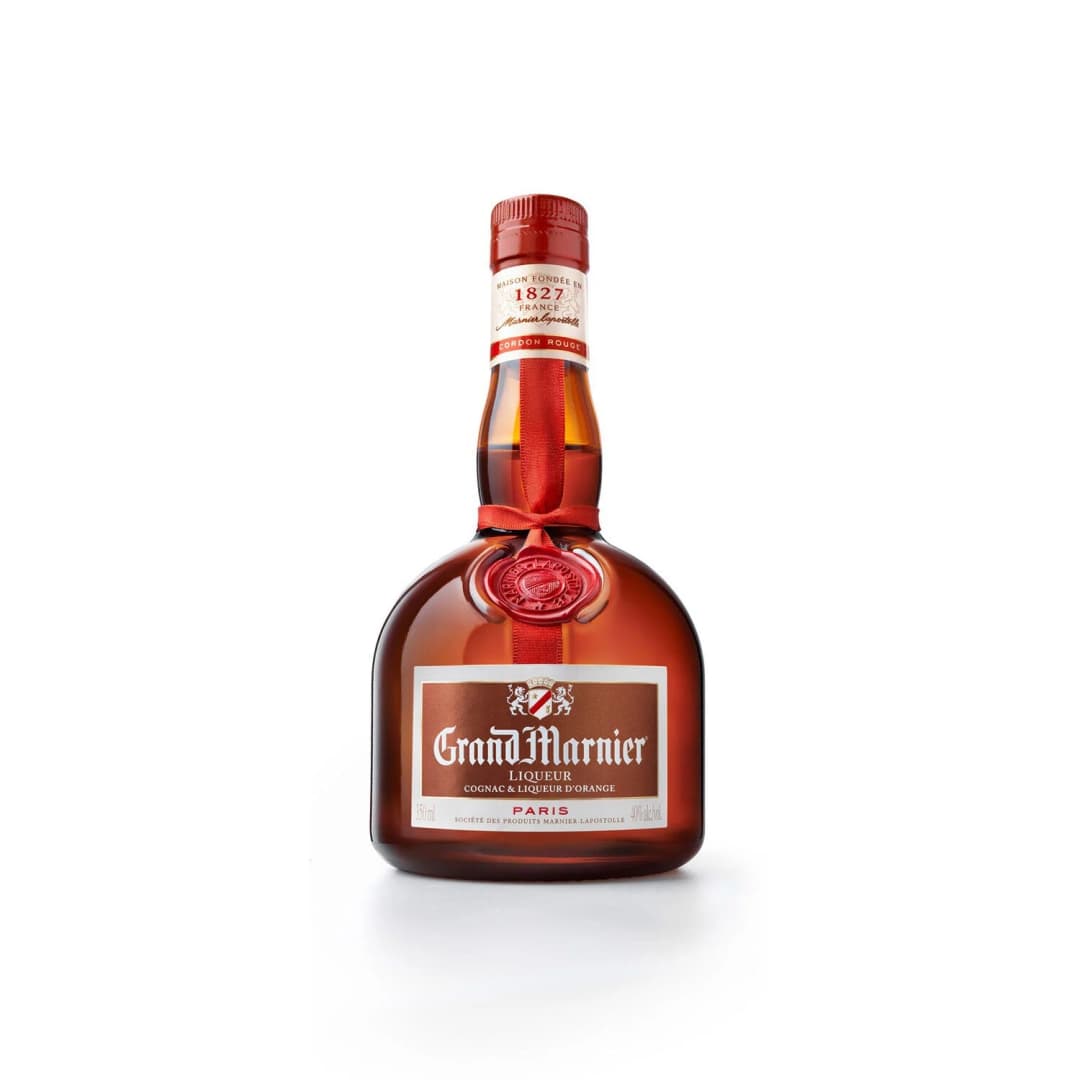
Best cocktails using orange liqueur
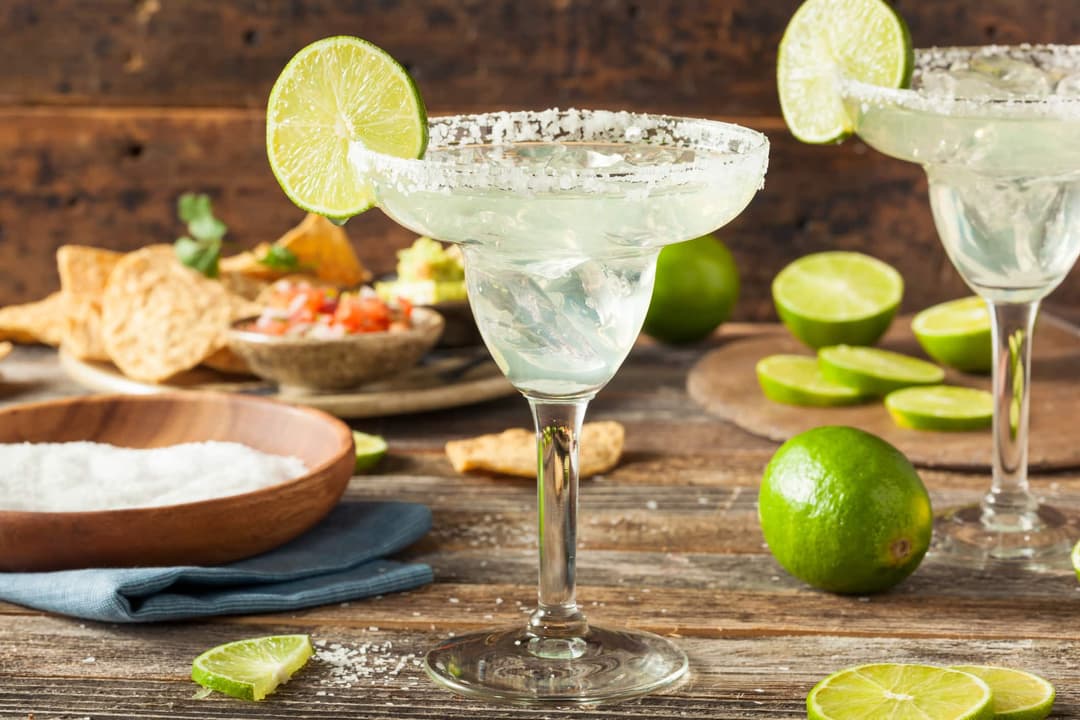
Conclusion
Orange liqueur is a true chameleon in the cocktail world. From bright Triple Sec to sophisticated Grand Marnier, each variety offers a unique palette of flavors. By understanding the differences between brands, types, and ideal uses, you can elevate your creations and impress your guests. Whether you're a Margarita lover or a fan of exotic cocktails, a good orange liqueur is a must-have on your shelf.
About the author

Alexandre Germain
Alex est le fondateur de Smarter Spirits et un passionné de cocktails ayant testé des dizaines de tequilas afin d’identifier les options les plus douces pour les shots. Il se concentre sur des guides pratiques, des comparaisons honnêtes et des expériences de dégustation réelles.
Related articles
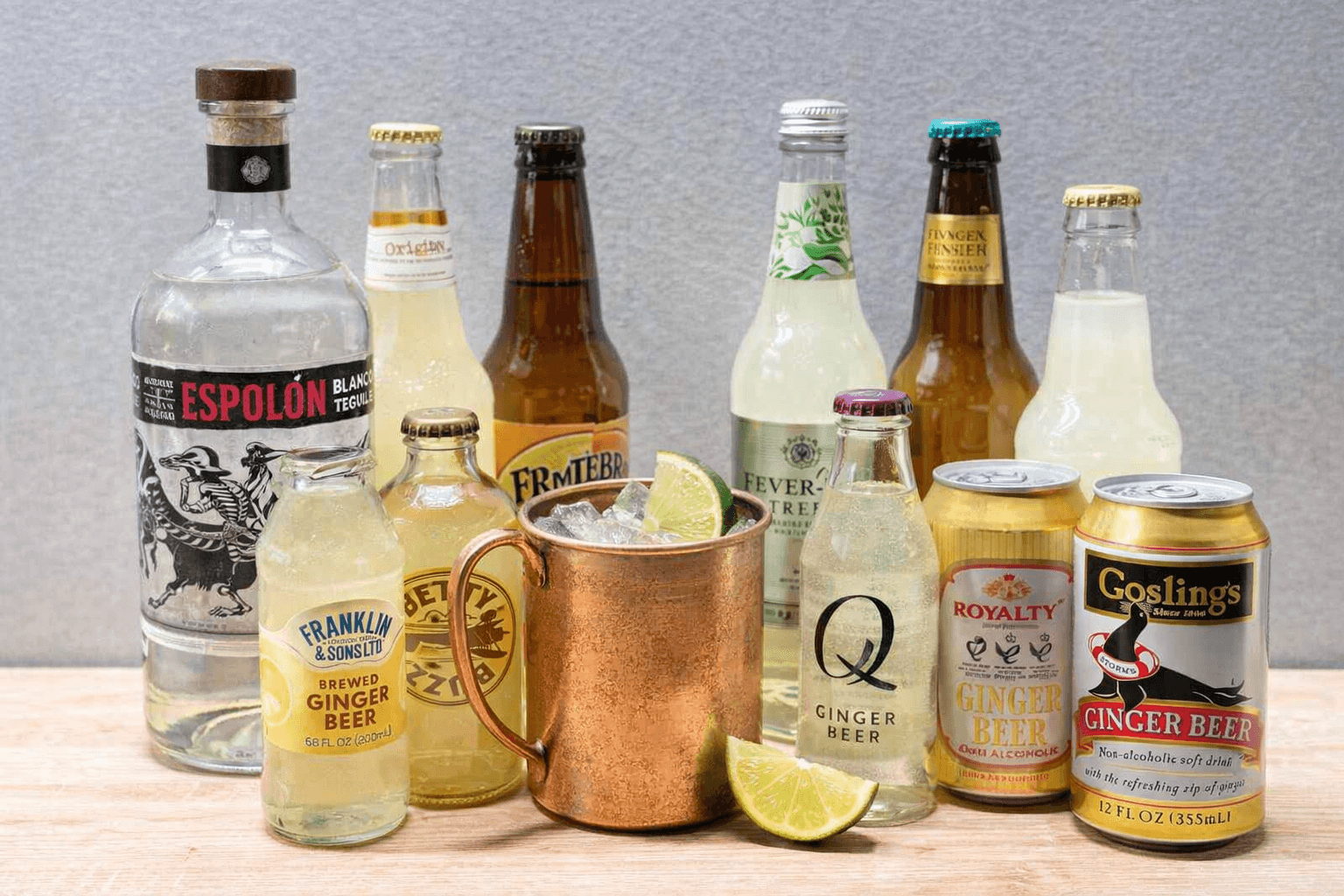
Best Ginger Beer for a Tequila Mule (2026) — 6 Brands Ranked
Elevate your Mexican Mule! We compare top ginger beers like Fever-Tree, Q Mixers, and Bundaberg to find the perfect spicy match for your tequila. Discover the ultimate mixer guide for 2025.
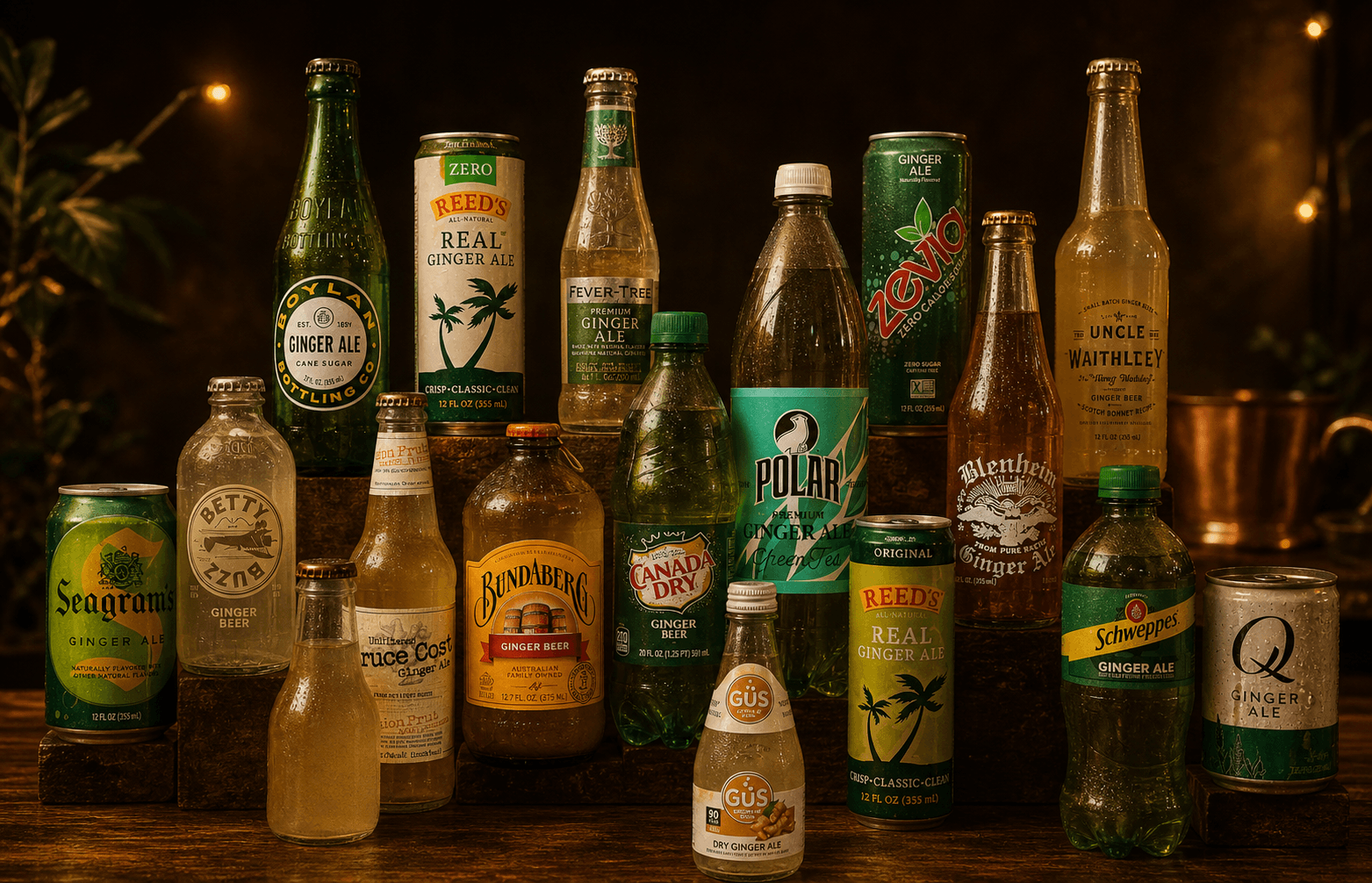
Ginger Beer vs Ginger Ale: What's the Difference? (+ Does It Have Alcohol?)
Ginger beer and ginger ale look the same but taste completely different. Learn how each is made, whether ginger beer contains alcohol, and which one to use in cocktails like the Tequila Mule or Moscow Mule.
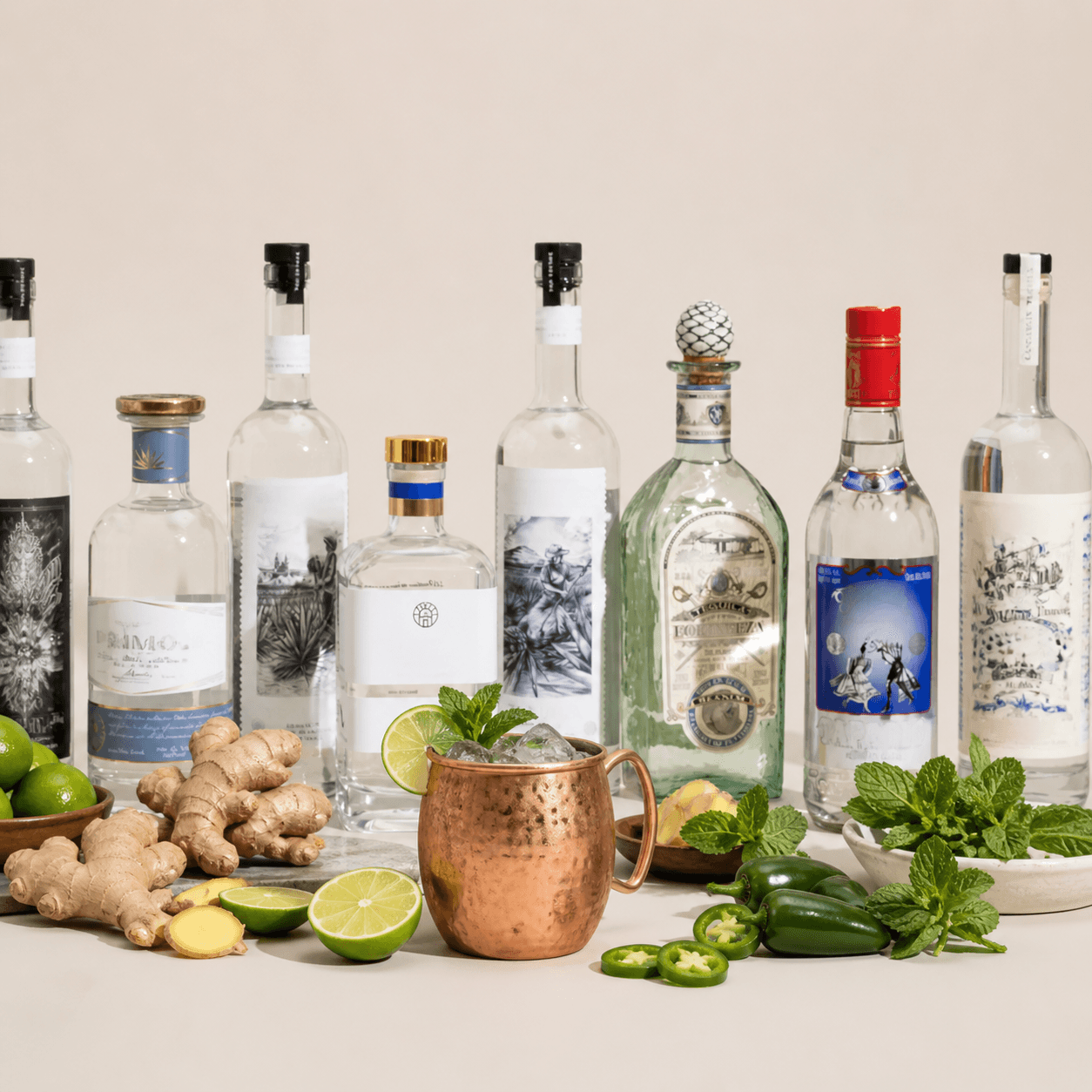
Best Tequila for a Tequila Mule
Looking for the best tequila for a Tequila Mule? We ranked the top bottles by flavor profile, value, and how well they pair with ginger beer and lime. Blanco, reposado — here's what actually works.