
Ultimate Tequila Guide: Definition, Production, and Must-Know Brands
Tequila is one of the most popular and versatile spirits in the world. Known for its smooth and earthy flavor as well as its rich cultural history, it has become a staple both in bars and at home. Whether you sip it neat, mix it in a margarita, or shoot it with salt and lime, tequila holds much more than meets the eye. In this guide, we'll explore what tequila is, how it's made, the different types available, and the most famous brands you should know.
What is tequila?
Tequila is a distilled alcoholic beverage made from blue agave (Agave tequilana), primarily grown in the region surrounding the city of Tequila in the state of Jalisco, Mexico. For a spirit to be officially labeled “tequila,” it must meet strict regulations set by the Mexican government and be produced within certain designated areas (Jalisco, and parts of Guanajuato, Michoacán, Nayarit, and Tamaulipas).

Tequila and mezcal production map
Tequila typically contains between 35% and 55% alcohol by volume (ABV) and can be enjoyed in many ways: in cocktails or simply on its own. Its distinctive taste comes from both the agave and the production process, offering smooth, earthy, and sometimes spicy notes.

Diversity of tequila bottles
How is tequila made?
The tequila-making process is highly regulated and involves several key steps:
1. Harvesting the blue agave
Tequila starts with blue agave, which takes 7 to 10 years to mature. Jimadores (skilled farmers) harvest the plants by removing the spiky leaves, keeping only the core: the piña.

Harvesting in a blue agave field
2. Cooking
The piñas are cooked in ovens (often stone or brick) or autoclaves to convert starches into fermentable sugars. Traditional slow-cooking methods produce more complex flavors.

Agave cooking in a traditional oven
3. Crushing and fermentation
After cooking, the piñas are crushed to extract the agave juice (“mosto”), which is then fermented with yeast for several days, converting sugars into alcohol.

Traditional crushing of cooked agave

Fermentation stage of agave juice
4. Distillation
The fermented liquid is distilled twice (sometimes three times) in copper or stainless steel stills, increasing the alcohol concentration and purifying the spirit. The result is a clear and powerful silver (blanco) tequila.

Distillation tank
5. Aging (optional)
Some tequilas are aged in oak barrels to develop richer flavors. The length of aging determines the type of tequila (reposado, añejo, extra añejo).

Barrel aging
The different types of tequila
Tequila is classified based on how long it is aged and how it's produced. Here are the main types available:


The most famous tequila brands
Tequila production has boomed in recent years, giving rise to many high-quality brands. Here are the best-known and most respected:


The best tequila-based cocktails
Browse our database for the best cocktails to make with tequila.
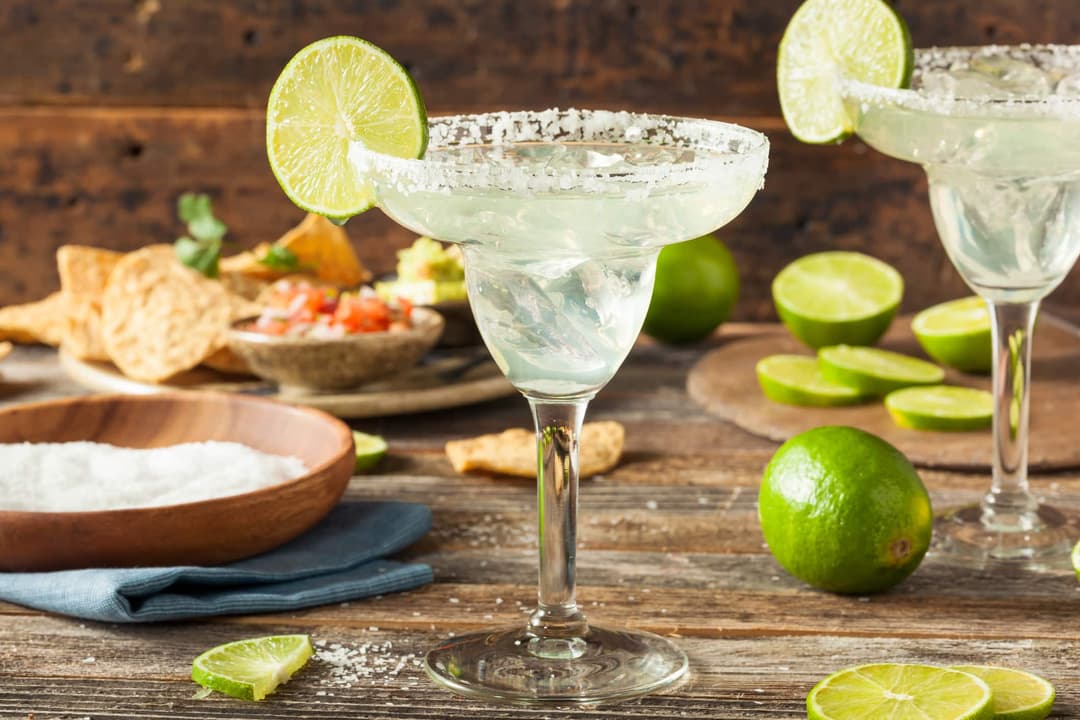
The Best Tequilas for Cocktails – True Top Shelf Tequilas
When you’re mixing or sipping, using a top shelf tequila can elevate your cocktail to a whole new level. Here are some of the finest options depending on the drink you’re preparing:

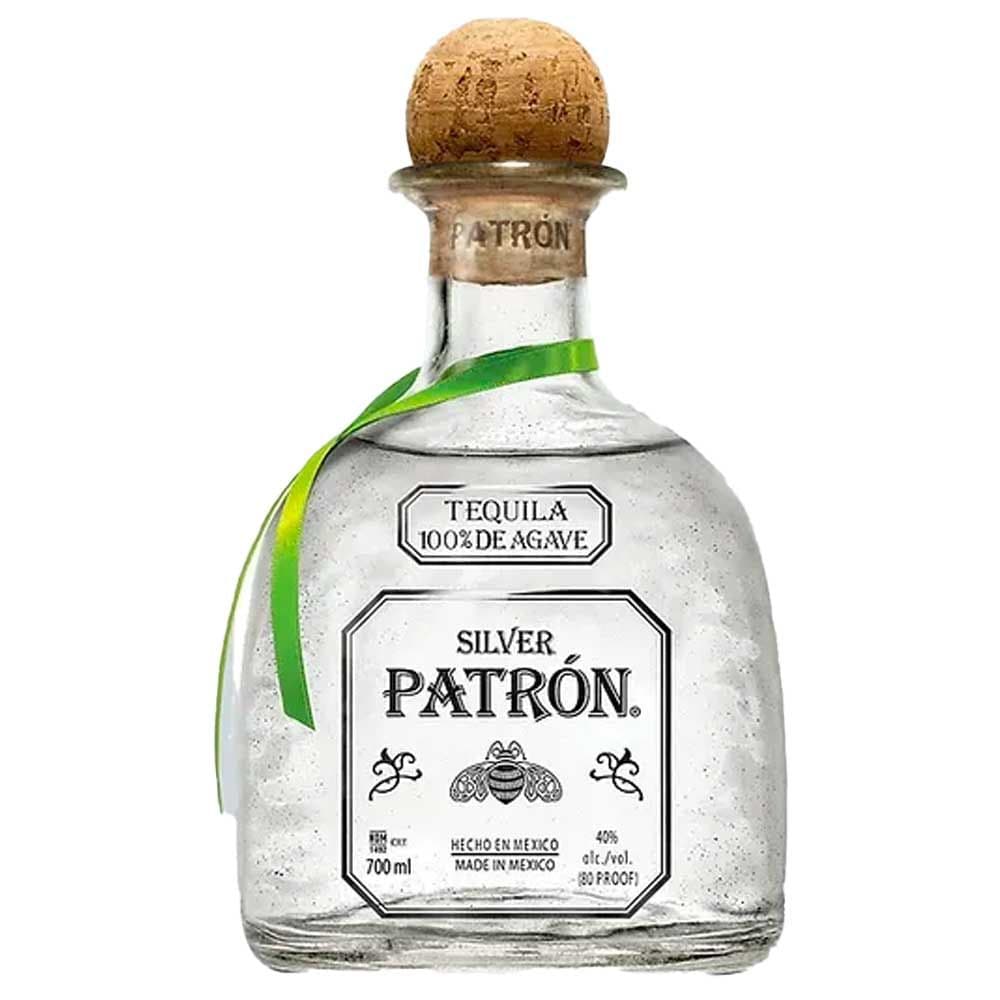
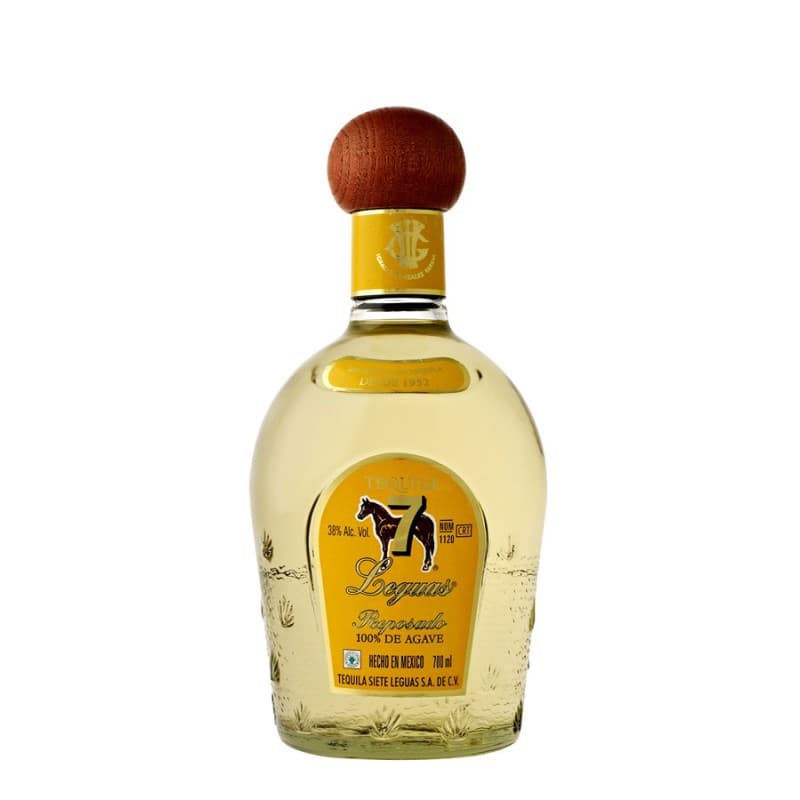


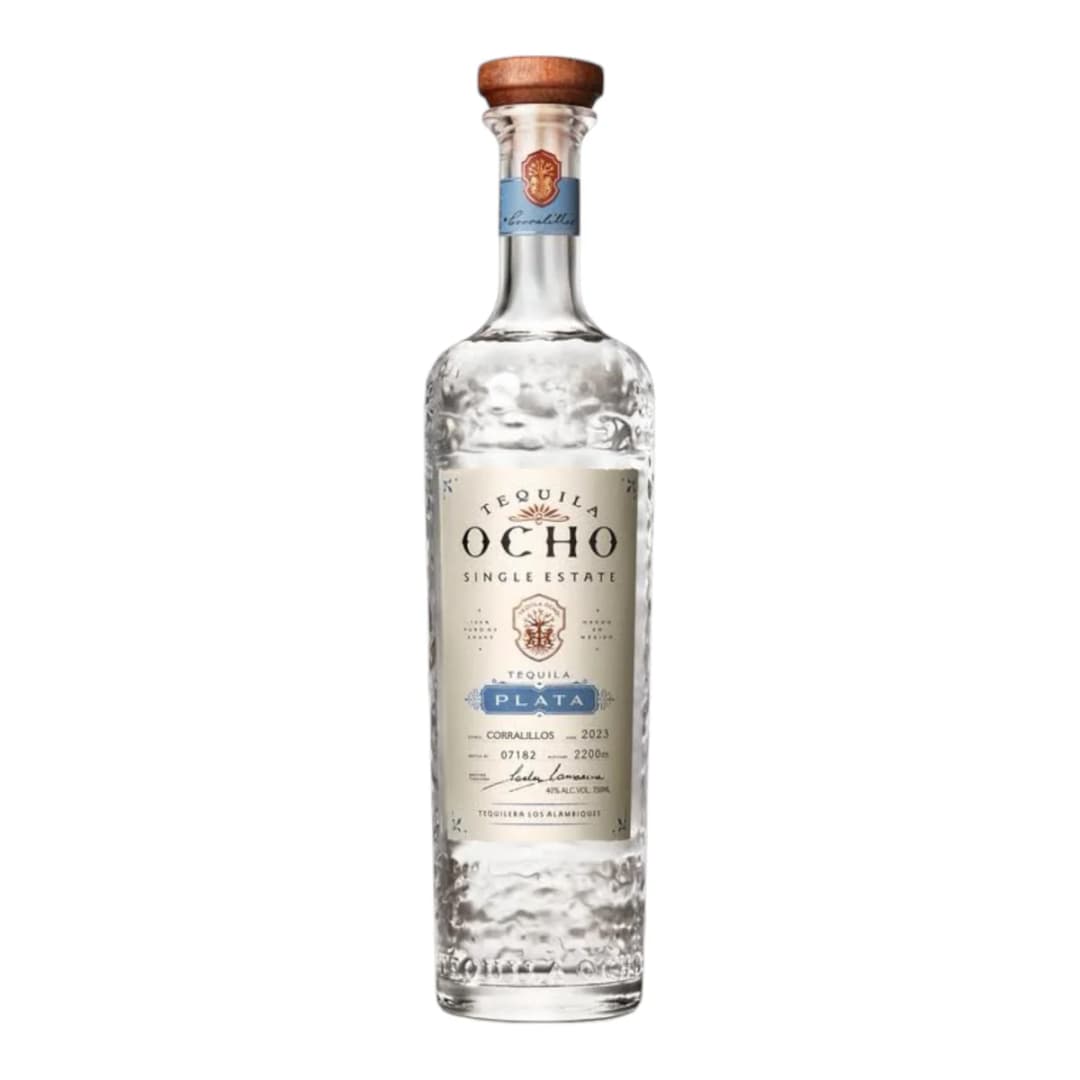
Why choose a top shelf tequila?
Top shelf tequilas are made with 100% agave and aged or rested carefully to preserve natural flavors. Whether you’re crafting a margarita, paloma, or sipping it neat, using a top shelf tequila like Patrón guarantees quality, smoothness, and exceptional taste.
Conclusion
Tequila is more than just a party drink — it’s a rich, complex spirit rooted in Mexican culture. From harvesting agave to precise aging, every bottle tells a story. Whether you prefer sipping a fine añejo or mixing a refreshing margarita, understanding the types and brands of tequila allows you to appreciate them more. Next time you raise your glass, you'll know exactly why tequila is so special. ¡Salud!


